Husky Asphalt Paving

Husky Asphalt Paving: Expert Paving Services in Orange County

Why Do Asphalt Parking Lots Fail Early?

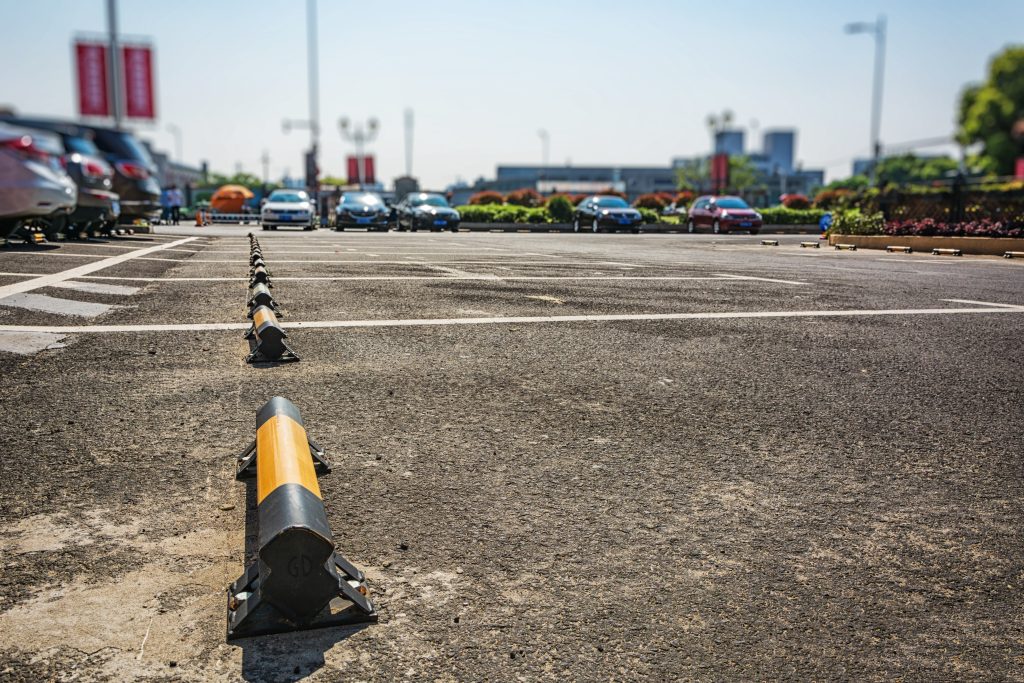
Why Do Asphalt Parking Lots Fail Early? August 9, 2026 Orange County Why Do Asphalt Parking Lots Fail Early? We get this question a lot, usually from someone standing in a lot that is only three or four years old and already looks rough. Cracks everywhere, a few soft spots near the entrance, maybe a puddle that never seems to dry out. And nine times out of ten, it is not bad luck. Something got skipped early on, either in how the base was built or how the traffic on that lot was planned for. We have paved enough properties around Orange County to notice a pattern. Two lots go in around the same time, same neighborhood even, and one is still holding up fine a decade later while the other is already falling apart. The difference almost never comes down to the asphalt itself. It comes down to what happened before the asphalt ever got laid, or how the lot has been used since. This piece breaks down the real reasons commercial lots fail early and what actually keeps that from happening. Pair it with our commercial paving services page if you want the fuller picture of what a proper installation looks like from the start. So Why Do Parking Lots Actually Fail Early? Almost always it traces back to the base, not the asphalt on top. Asphalt is only as strong as the base beneath it. If the underlying soil isn’t properly compacted or drainage isn’t addressed, the pavement above will eventually crack, settle, or fail. Why Do Cracks Keep Coming Back After They Are Patched? Because the patch is only fixing what you can see, not what caused it. If water is still sneaking into that crack and reaching the base, or the ground below is still moving around, that same spot is going to open right back up, sometimes within a single rainy season. Contractors who actually check the base before slapping down a patch tend to save their clients a lot of repeat visits down the road. Is Drainage Really That Big of a Deal? Bigger than most people assume. Water that sits instead of draining works its way underneath the pavement and starts eating away at the base from below, slowly. Give it enough time and you end up with potholes, that alligator skin looking cracking, or spots that feel a little spongy when you walk over them. Lots with flat grading or drains that never get cleaned out are the usual suspects here. Could the Asphalt Just Be Too Thin? Sometimes, honestly, yes. Asphalt placed at a thickness meant for a quiet residential driveway is not going to hold up under daily delivery trucks and forklifts. Commercial traffic puts a lot more weight and pressure on pavement than most people realize, and when a lot gets built without planning for that, cracking and rutting can show up years earlier than it should. Do Heavy Trucks Really Wear Out a Lot Faster? Yes, particularly if nobody accounted for that traffic when the lot was designed. Trucks turning tight corners, braking near a dock, backing into the same spot over and over. All of that concentrates stress in specific areas, usually entrances, loading zones, and dumpster pads. Those spots tend to fail long before the rest of the lot simply because they take a beating every single day. Does Orange County Weather Have Anything to Do With It? Warm, dry weather is generally kind to asphalt, but the occasional heavy winter rain can expose weak spots fast. Because this area does not see constant freeze and thaw cycles the way colder regions do, asphalt here often lasts longer when it is installed correctly. The tradeoff is that when a lot does have drainage or base issues, a strong rain event can reveal that problem almost overnight, since the pavement rarely gets a slow buildup of stress the way it might elsewhere.  So What Actually Prevents Early Failure? Staying on top of small stuff. Seal coating every couple of years protects the surface from sun exposure and moisture. Sealing a crack the moment it appears keeps water out before it becomes a base problem. Fixing drainage issues instead of living with a puddle in the corner for years stops small problems from turning into structural ones. None of this is complicated. It just takes actually doing it on a schedule instead of waiting until something looks bad. What Should You Be Watching For? Alligator style cracking, water that pools and never drains, sections that feel soft or seem to be sinking a little. None of that is just cosmetic. Those are early signs the base underneath has already been compromised, and if it gets ignored, a full repave tends to show up sooner than anyone wants. Catching it early means you get to plan the repair on your own timeline instead of dealing with an emergency once part of the lot becomes unsafe. Protecting What You Have Built A parking lot takes more daily abuse than almost any other part of a commercial property, and it deserves to be treated that way from day one. Getting the base right, building for the traffic it will actually see, and staying ahead of the small repairs instead of ignoring them makes a bigger difference than most owners expect. If your lot is already showing some of these signs, or you just want it built right from the start, our paving team is glad to take a look and tell you honestly what your property needs. FAQs Why does my parking lot already have cracks and it is only a few years old?  Cracks that show up early usually mean a base issue, often caused by poor drainage or soil that was not compacted properly underneath. Can a parking lot be repaired instead of fully repaved?  Often, yes, as long as the base is still solid. Once the base has failed, patching just delays the repave instead of

Why Do Asphalt Parking Lots Fail Early? Read More »

How Loading Docks Damage Parking Lots in Orange County

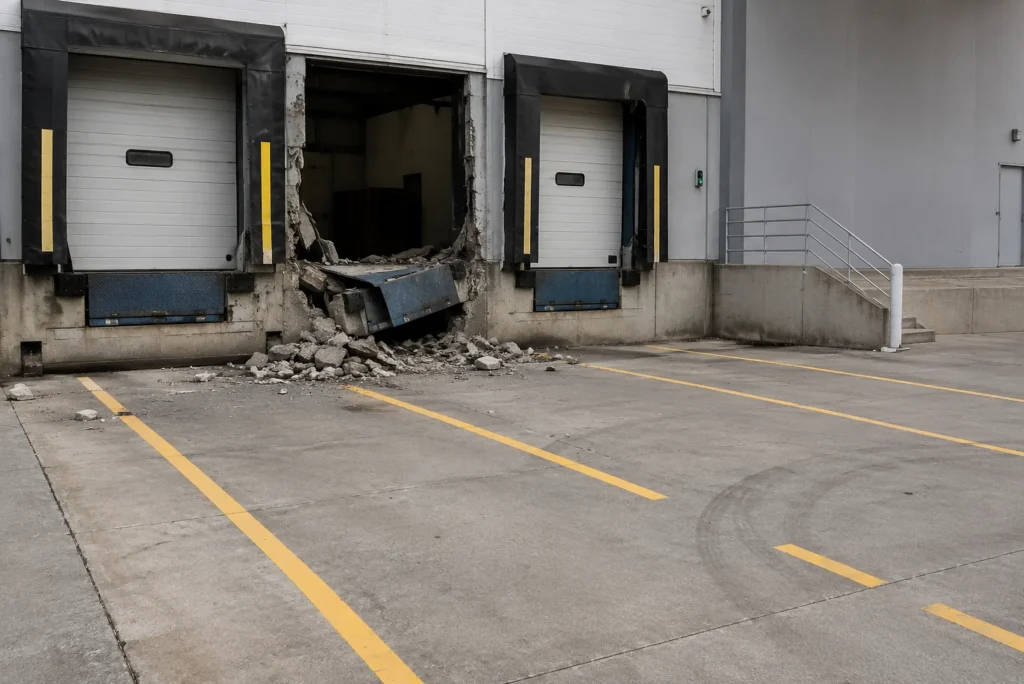
How Loading Docks Damage Parking Lots in Orange County August 9, 2026 Orange County How Loading Docks Damage Parking Lots in Orange County Walk any commercial property with a loading dock and you’ll usually spot the same thing. The rest of the lot looks fine, but the area right around the dock is rutted, cracked, or sunk in a few inches lower than everything around it. That’s not a coincidence and it’s not bad luck either. Loading docks put a specific kind of stress on asphalt that the rest of a parking lot never really has to deal with. If you manage a warehouse, distribution center, or any property with regular truck traffic in Orange County, this is probably a section of your lot you’ve already worried about. Between the weight, the constant stopping and starting, and how often trucks sit idling in the exact same spot, dock areas age faster than the rest of the property by a wide margin. Here’s what’s actually causing that damage and what tends to slow it down. Why Do Loading Dock Areas Wear Out Faster Than the Rest of the Lot? Loading docks concentrate weight, heat, and repeated stress into a small area, which is exactly the combination that breaks asphalt down fastest. A typical parking stall sees a car roll through and leave. A dock sees an eighteen wheeler pull in, sit for twenty minutes to an hour while it’s loaded or unloaded, then pull out slowly enough to twist and grind the surface underneath its tires the whole time. How Does Truck Weight Actually Damage Asphalt? A loaded truck puts way more pressure on the base underneath the asphalt than any passenger car does, and that pressure adds up. Month after month of that kind of weight compressing the same spot eventually leads to rutting, those shallow grooves you see running along the exact path trucks take every day. Once those grooves start forming, they hold water, and that water just makes everything worse from there. Why Does Idling Traffic Make It Worse? When a truck sits in one spot for a while, all that weight and heat gets pushed into a small patch of pavement instead of spreading out. Now factor in Orange County’s warmer stretches, especially inland around Anaheim and Santa Ana, and the asphalt under a parked trailer can actually soften just enough to give a little under that weight. It happens slowly, but a few years of daily deliveries and it really starts to show. Does Turning and Maneuvering Play a Role Too? Honestly, yes, and it’s one people don’t think about nearly enough. When a truck backs into a dock, the tires twist against the pavement instead of just rolling over it, and that scrubbing motion does a number on the surface that normal parking traffic never causes. Tight dock areas make it worse too, since drivers usually have to work the wheel harder to line things up, which grinds down that top layer of asphalt even faster. How Does Orange County’s Climate Add to the Problem? Heat softens asphalt’s binder, and dock areas already dealing with concentrated weight and heavy traffic feel that softening more than any other part of a lot. Inland properties see this more directly through sustained summer heat, while coastal properties deal with a different version of the same problem through daily temperature swings that stress the surface in a different way. Add in clay soils common around parts of Irvine and Santa Ana, which shift with moisture, and a dock area built on a marginal base can fail years earlier than the rest of the property. Can Dock Areas Be Fixed Without Repaving the Whole Lot? Often, yes. If the damage is isolated to the dock area and the rest of the lot is holding up fine, a targeted repair or a thicker asphalt section just around the dock usually solves the problem without touching the surrounding pavement. This is one of the more cost effective moves for property owners, since it treats the actual stress point instead of paying to redo an entire lot that mostly doesn’t need it. What Helps Loading Dock Areas Last Longer? Thicker asphalt sections built specifically for heavy load areas, along with proper base compaction underneath, make the biggest difference long term. Beyond that, keeping drainage clear so water doesn’t pool in the ruts, and resealing dock areas more often than the rest of the lot, both help slow the wear down. Some properties also switch to concrete pads just under the dock itself, since concrete handles concentrated static weight better than asphalt does, even though asphalt still works fine for the surrounding traffic areas. FAQs Should loading dock pads be concrete instead of asphalt? Concrete often holds up better under the concentrated static weight of parked trucks, though asphalt is usually fine for the surrounding drive lanes. How thick should asphalt be near a loading dock? Heavy load areas typically need thicker asphalt sections than standard parking stalls, often with a stronger base built specifically for repeated truck weight. How often should loading dock areas be resurfaced? Dock areas usually need attention more often than the rest of a lot, sometimes every few years depending on truck volume and how long they idle. Can rutting near a loading dock be repaired without full reconstruction? Yes, in many cases a localized repair or a reinforced overlay fixes rutting without requiring a full rebuild of the surrounding parking lot. Why does water pool near loading docks specifically? Rutting from truck weight creates low spots that trap water, and that trapped water speeds up base damage if it isn’t addressed early. Dealing With a Worn Down Loading Dock Area? If the dock section of your lot is aging faster than everything around it, that’s usually fixable without a full property repave. Husky Asphalt Paving has spent over 30 years working commercial properties across Orange County, including plenty of warehouses and distribution lots dealing with exactly

How Loading Docks Damage Parking Lots in Orange County Read More »

What Causes Potholes in Residential Driveways?

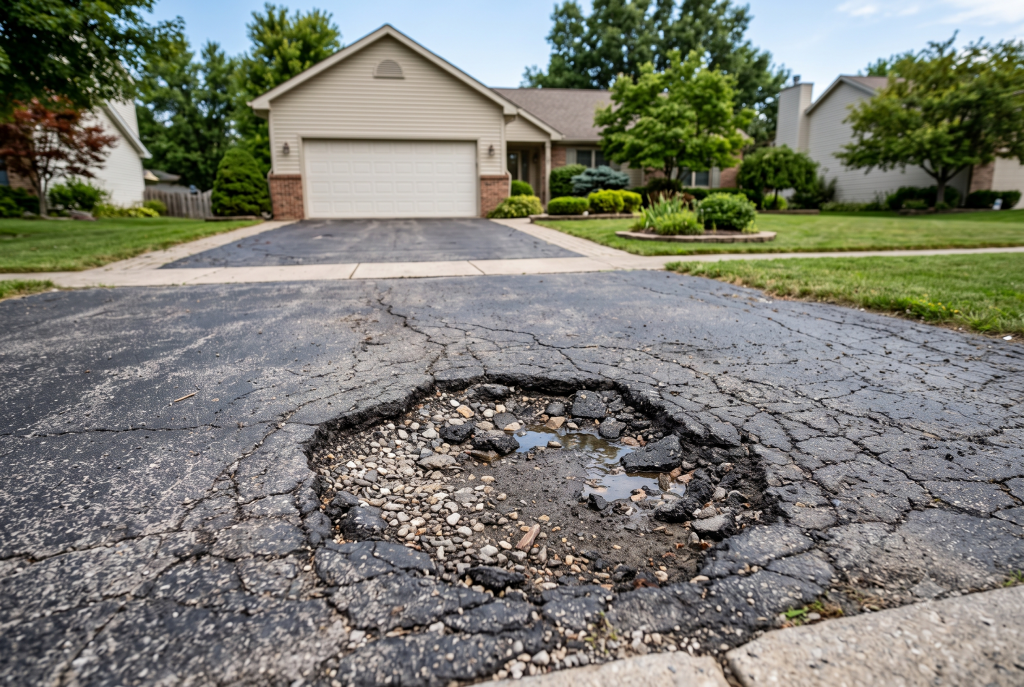
What Causes Potholes in Residential Driveways? August 9, 2026 Orange County What Causes Potholes in Residential Driveways in Orange County? Potholes usually start when water works its way through small cracks and weakens the base underneath the asphalt. As vehicles continue driving over that weakened area, the pavement loses support and eventually collapses into a pothole. Around Orange County, poor drainage, aging pavement, and base movement are much more common causes than freezing temperatures. If you’ve noticed a new pothole forming in your driveway, or the same spot keeps reopening no matter how many times it’s been patched, you’re probably dealing with something bigger than a one-time fix. A lot of Orange County homeowners run into this, especially on older driveways where the base was never built for the traffic or weather it’s dealing with now. Here’s what’s actually going on underneath, and what tends to make it worse around here specifically. What’s the Root Cause of Most Driveway Potholes? Water getting into the base layer is behind almost every pothole you’ll ever see. Once a small crack lets water in, it softens the aggregate underneath, and that softened base can no longer support the weight above it. The surface eventually caves in under a car’s weight, and what started as a hairline crack turns into a hole practically overnight. Why Do Potholes Seem to Appear Out of Nowhere After Rain? They don’t actually appear overnight, they’ve usually been forming for a while before that first heavy rain finally breaks through. Rain fills existing cracks faster than the ground can absorb it, and once water sits in a weakened spot, it accelerates the collapse that was already coming. This is why so many Orange County driveways seem fine right up until a winter storm hits, and then suddenly there’s a pothole that clearly wasn’t a surprise to the pavement itself. Do Tree Roots Really Cause Potholes? Yes, way more often than people assume, especially on older properties. As roots grow underneath a driveway, they push up on the base from below, and that pressure cracks the surface and opens up weak spots that water eventually works its way into. You see this a lot on older ranch style homes around Fullerton and Orange, where the trees went in decades before anyone ever thought about paving over them. Can Heavy Vehicles Cause Potholes on Their Own? They can, especially when the same spot keeps taking the same weight over and over. Park a truck or an RV in that exact same spot for a few years and you’re compressing the base underneath way more than regular daily traffic ever would. Eventually that constant pressure creates a soft spot, and that soft spot is basically a pothole waiting to happen. How Does Orange County’s Climate Play Into This? Inland spots like Anaheim and Santa Ana get warm enough during summer that the asphalt softens up, and that leaves it more vulnerable to cracking once things cool back down and cars are driving over it again. Coastal driveways deal with their own version of this too, just from a different angle, since the back and forth between warm days and cool nights makes the material expand and contract more often than it would somewhere with steadier temperatures. Then you’ve got clay soils in parts of Irvine and Santa Ana, which shift as moisture levels change and put stress on the base from underneath, sometimes long before any crack ever shows up where you can actually see it. Can a Pothole Be Repaired Without Repaving the Whole Driveway? Most of the time, yes, especially if it’s just one spot and the rest of the driveway still looks fine. A patch fills the hole and reseals around it, and that holds up well as long as the base nearby hasn’t been compromised too. But if the same pothole keeps coming back no matter how many times it’s patched, that’s usually a sign the base itself has an issue that patching just won’t fix for good. What Helps Prevent Potholes From Forming in the First Place? Sealing cracks the moment they show up is probably the biggest thing you can do, mainly because it stops water from ever reaching the base in the first place. Beyond that, keeping water draining away from the driveway instead of sitting near it, and not parking something heavy in the same exact spot year after year, both go a long way too. None of it takes much work really, it mostly comes down to catching the small stuff before it turns into something that actually needs real repair. FAQs Why does my driveway keep getting potholes in the same spot?  That usually means the base underneath has weakened in that exact area, so patching the surface alone won’t stop it from coming back. Are potholes worse in older driveways?  Often, yes, since older driveways were sometimes built with thinner asphalt or less base compaction than current standards call for. Can I fill a pothole myself?  You can with a cold patch product, though it’s usually a temporary fix and professional repair lasts much longer since it addresses the base underneath. How fast can a small crack turn into a pothole?  It varies, but a crack exposed to repeated rain and traffic can turn into a pothole within a single rainy season if it’s left unaddressed. Do potholes mean my whole driveway needs replacing?  Not usually, most potholes are isolated issues that a targeted patch resolves without requiring a full driveway replacement. Dealing With a Pothole That Keeps Coming Back? A pothole that reopens again and again usually means there’s a base problem hiding underneath the surface, and that’s worth having someone actually look at instead of patching it a third or fourth time. Husky Asphalt Paving has been repairing driveways across Orange County for over 30 years and can tell you pretty quickly whether you’re looking at a simple patch or something that needs more attention. You can also

What Causes Potholes in Residential Driveways? Read More »

Do You Need a Permit to Demolish a House in Orange County, CA?

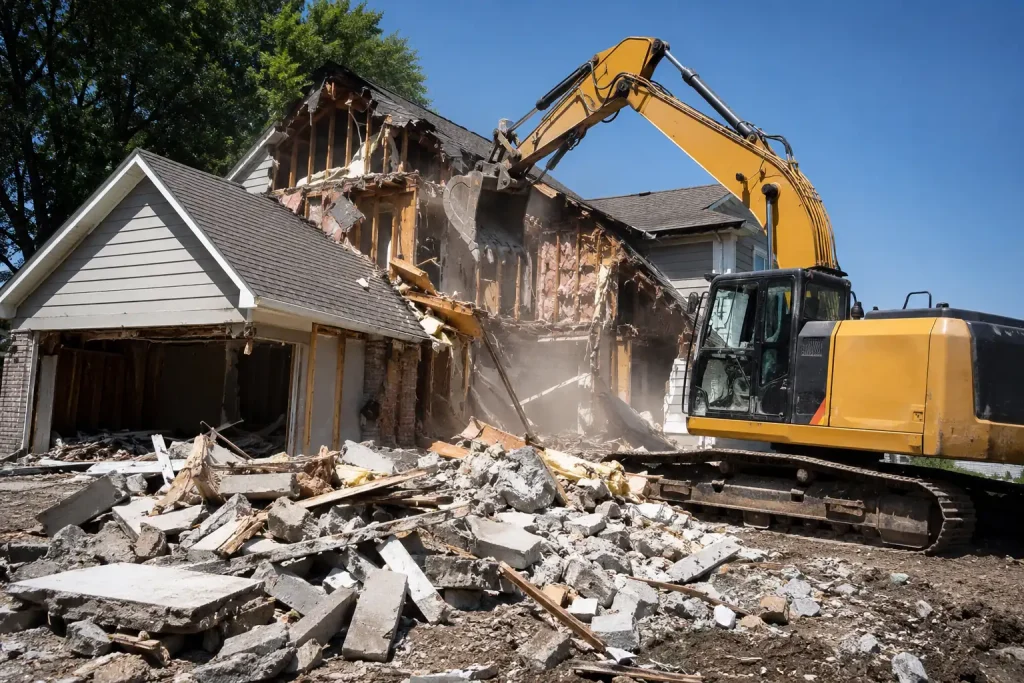
Do You Need a Permit to Demolish a House in Orange County, CA? August 9, 2026 Orange County Do You Need a Permit to Demolish a House in Orange County, CA? Almost every demolition horror story starts the same way. Work begins, then a city inspector shows up, and suddenly the whole project is on hold because nobody pulled the right permit. It happens more in Orange County than people expect, especially with older homes in neighborhoods like Fullerton or Garden Grove where a teardown seems simple on the surface but isn’t always. This article breaks down what permits actually apply to a demolition project, what happens if that step gets skipped, and how the process tends to differ depending on which Orange County city you’re in.  This demolition guide explains what permits are typically required, what affects approval timelines, and how to avoid delays before demolition begins. Do You Need a Permit to Demolish a House in Orange County? In most Orange County cities, demolishing a house requires a demolition permit issued by the local building department. Cities want to know a demolition is happening for safety reasons, utility coordination, and to make sure debris gets disposed of properly. Even a house that’s clearly falling apart still has to go through the same permitting process as one that’s perfectly livable. What Happens If You Skip the Permit Process? Skipping permits can lead to stop work orders, fines, and in some cases having to redo parts of the job the right way after the fact. It’s one of the most common reasons demolition projects stall out halfway through, which is exactly the kind of situation homeowners in Anaheim and Tustin describe when a low bid contractor turns out to have cut corners. Unpermitted demolition can also complicate selling or rebuilding on the property later, since the city has no record the work was ever done correctly. How Long Does It Take to Get a Demolition Permit Approved? Approval timelines vary by city, project scope, and application completeness. Straightforward residential demolitions may move faster than projects requiring environmental reviews or utility coordination. Commercial projects tend to take longer, especially if there’s an asbestos survey or utility disconnect involved. Submitting a complete, accurate application the first time is usually the biggest factor in avoiding delays, more than anything else in the process. Do Commercial Demolition Projects Need Different Permits Than Residential Ones? Yes, commercial demolition typically involves more layers of approval, including structural review and sometimes environmental assessments depending on the building’s history. A small retail space clearance moves differently than a full commercial teardown, and both move differently than a residential permit. This is part of why coordinating closely with project managers matters so much on commercial jobs, since timing delays ripple out to everyone else waiting on that site. What Other Approvals Come Into Play Besides the City Permit? Some HOA-governed communities may require advance notice or approval before demolition work begins. Gas, water, and electric all need to be safely disconnected before demolition starts, which usually means coordinating with separate utility providers on their own timeline. In neighborhoods with active HOAs, like parts of Irvine, there can be additional notice requirements before work begins, even once the city permit is in hand. How Do Permit Requirements Differ Across Orange County Cities? Permit requirements, review timelines, and supporting documentation vary by city, so homeowners and contractors should confirm local requirements before submitting an application. Irvine’s HOA density adds its own layer that doesn’t come up the same way in older, less regulated neighborhoods. Knowing these differences ahead of time saves a lot of guessing once a project is underway. How Can You Avoid Permit Delays on Your Project? Working with a contractor who handles permitting regularly in your specific city is the most reliable way to avoid delays. Someone who’s pulled permits in Fullerton a dozen times knows exactly what that city’s planning department expects on an application, which is very different from knowing the general permitting process in theory. Getting utility disconnection scheduled early, rather than after the demolition permit is approved, also keeps a project from stalling in that gap between the two. What Should You Ask a Contractor About Permits Before Hiring Them? Ask directly whether the permit is included in their quote or handled separately, since this is one of the most common places hidden costs show up later. It’s also worth asking how many projects they’ve permitted in your specific city recently, since local experience matters more than general demolition experience here. A contractor who can answer both of these clearly and without hesitation is usually one who’s done this the right way many times before. Ready to Start the Process the Right Way? Permits aren’t the exciting part of a demolition project, but skipping or rushing them is where most projects run into real trouble. Getting it right from the start keeps your timeline predictable and your project moving instead of stuck waiting on paperwork that should’ve been handled up front. If you’re planning a home teardown, a commercial clearance, or an interior gut job anywhere in Orange County, our demolition team handles the permitting process as part of the job, not as an afterthought. FAQs Do I need a permit to demolish a small shed or detached structure? Most of the time, yes, though it really comes down to the city and how big the structure is. Worth a quick call to the local building department before you start, just to be sure. Are environmental inspections required? Depends on the age of the structure, honestly. Older buildings especially can need an asbestos test or some kind of environmental review before the city will even issue a permit. How much does a demolition permit cost in Orange County? It varies quite a bit by city and project size. Residential permits usually land somewhere in the low hundreds, while commercial ones tend to run higher. Can a contractor pull the permit on my behalf?

Do You Need a Permit to Demolish a House in Orange County, CA? Read More »

Parking Lot Milling or Full Reconstruction? Orange County Guide

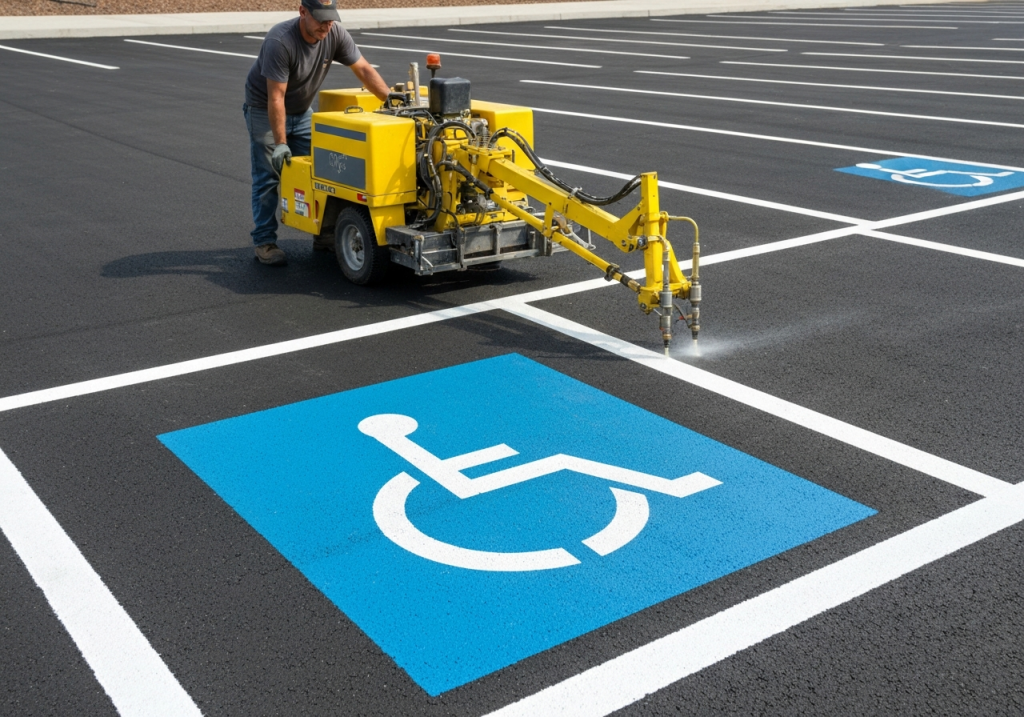
Parking Lot Milling or Full Reconstruction? Orange County Guide August 9, 2026 Orange County How to Tell If Your Orange County Parking Lot Needs Milling or Full Reconstruction If your lot has gone from a few stray cracks to something that looks like a patchwork quilt, you’re probably asking the same thing most property owners ask at this point: can this be saved, or is it time to start over. Honestly, the answer has less to do with what you can see and more to do with what’s going on underneath it. We get this question a lot, mostly from property owners, HOAs, and general contractors watching a lot go downhill faster than expected. Milling can bring a tired surface back to life for a lot less than a full rebuild, but that only works if the base underneath is still holding its own. Mill over a lot where the base has already failed, and you’re not really solving anything. You’re just pushing the real cost down the road, usually onto whoever owns the property next. So here’s how to actually tell which one you’re dealing with, and what tends to tip the decision one way or the other here in Orange County. What Is Asphalt Milling, Exactly? Milling basically grinds off the damaged top layer of asphalt and leaves the base underneath untouched, which is why it costs so much less and moves so much faster than a full rebuild. Think of it as resetting the surface rather than starting from scratch, since everything structurally sound below still gets reused. It works best on lots where the base has aged well but the surface has taken the beating, from traffic, sun, whatever years of use throw at it. How Do You Know If Milling Is Enough? If the damage is staying on the surface, meaning no sinking, no heaving, no water collecting in the same spots year after year, milling is probably all your lot actually needs. Alligator cracking, some fading, a handful of shallow potholes here and there, these are usually good signs the base underneath is still holding up fine. Take a look and if the damage seems to stop just a few inches down, milling and resurfacing is typically the smarter, cheaper way to handle it. What Are the Signs You Need Full Reconstruction Instead? Full reconstruction comes into play once the base has actually failed. That usually looks like deep rutting, sections that shift when you drive or walk over them, or cracks that just keep showing back up in the same spots no matter how many times someone patches them. Standing water that never drains, even after resurfacing attempts, is another red flag that the problem lives below the surface. At that point, milling just becomes an expensive way to delay a rebuild that’s already overdue. Why Do So Many Orange County Lots Fail Early? A lot of early failures trace back to properties that went with the lowest bid years ago and paid for it later. Thin asphalt layers, skipped compaction steps, or a base that was never properly graded all shorten a lot’s life dramatically, sometimes cutting a twenty year lifespan down to five or six. Once that kind of shortcut is baked into a lot, no amount of surface repair fixes the underlying issue. How Does Orange County’s Climate Affect the Decision? Heat and traffic load push in the same direction here, both accelerating wear on lots with heavy daily use. Inland areas like Anaheim and Santa Ana see enough sustained heat that asphalt softens under repeated traffic, while coastal properties deal more with temperature swings between warm days and cooler nights. Add in clay soils common around Irvine and Santa Ana that expand and contract with moisture, and a marginal base can fail faster here than it would somewhere with more stable ground conditions. That combination is exactly why a lot that looked fine five years ago can suddenly need attention all at once. What Does Deferred Maintenance Actually Cost You? Waiting rarely saves money, since small surface issues that could have been milled and resurfaced often turn into base failures that require full reconstruction. A crack sealed early might cost a few hundred dollars, while the same crack left alone for a couple of rainy seasons can lead to base saturation and a much larger bill. Property managers juggling multiple lots often find that a proactive milling schedule ends up cheaper over ten years than reacting to failures one at a time. How Can You Extend a Parking Lot’s Life After Milling? Regular sealcoating, prompt crack repair, and keeping drainage clear are the three habits that stretch a resurfaced lot’s life the furthest. Striping refreshes every couple of years also help, both for appearance and for keeping ADA compliance markings visible and up to code. None of this requires major investment, it just means staying ahead of small issues instead of waiting for them to become expensive ones. FAQs How often should a parking lot be milled and resurfaced?  Most commercial lots in Orange County benefit from milling every 15 to 20 years, depending on traffic volume and how well the base was originally built. Is milling cheaper than full reconstruction?  Yes, milling and resurfacing typically costs a fraction of full reconstruction since it reuses the existing base instead of rebuilding it from scratch. Can you mill over a failing base?  You can, but it usually just delays a more expensive rebuild since the underlying problem causing the damage never actually gets fixed. How long does a milling and resurfacing project take?  Most parking lot milling projects wrap up within a few days to a week, depending on lot size and how much prep work is needed beforehand. What’s the first sign a lot needs more than surface repair?  Standing water that doesn’t drain after resurfacing, along with cracks that keep returning in the same spots, usually points to a base level problem. Not Sure Which Route Makes

Parking Lot Milling or Full Reconstruction? Orange County Guide Read More »

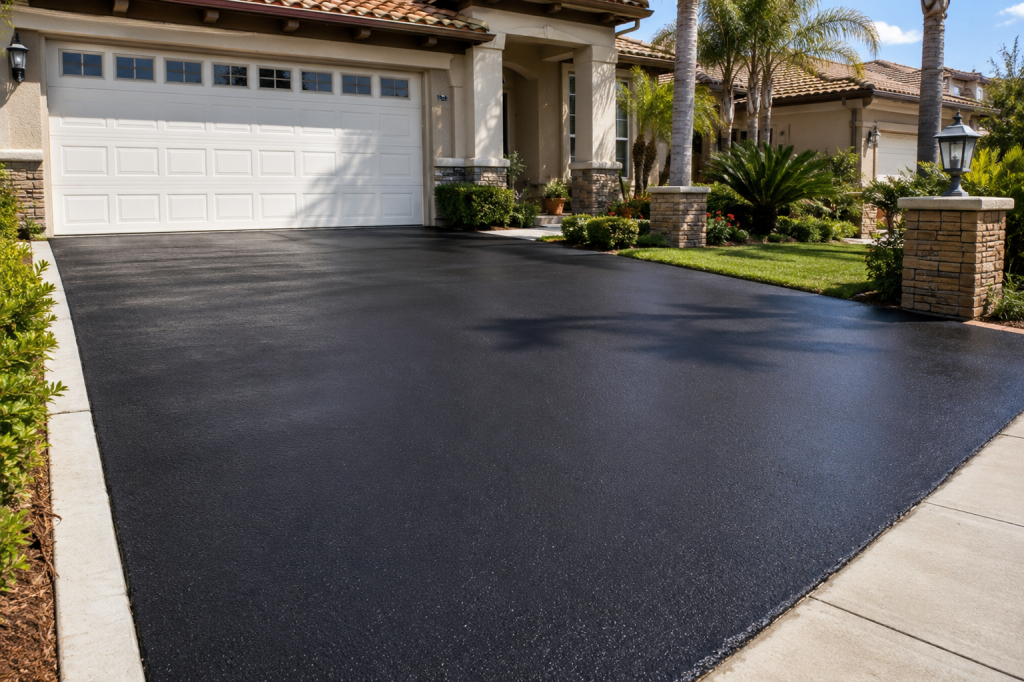
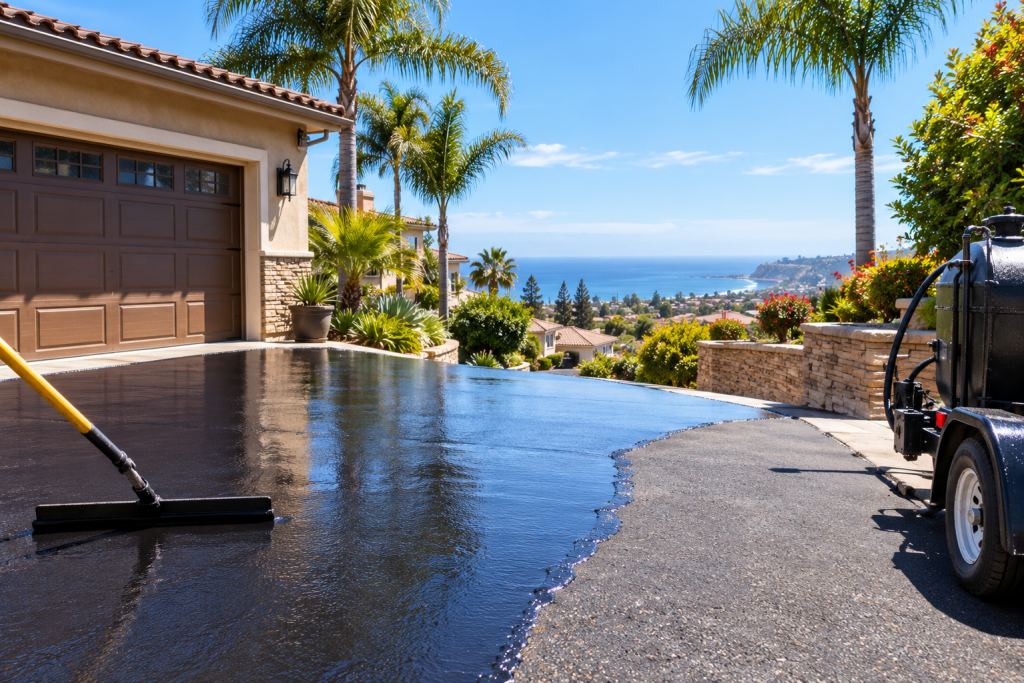
Newly paved asphalt driveway in Orange County, California, illustrating driveway lifespan and maintenance.

How Long Does an Asphalt Driveway Really Last in Orange County?

How Long Does an Asphalt Driveway Really Last in Orange County? July 28, 2026 Orange County How Long Does an Asphalt Driveway Really Last in Orange County? Twenty to thirty years. That’s the honest range for a well built asphalt driveway here in Orange County, assuming the base was done right and it gets at least a little care over the years. If you’re standing outside right now staring at a crack and wondering if it’s a big deal, you’re asking a question almost every homeowner asks eventually. There’s no single answer that fits every property though. A driveway in Anaheim Hills getting hammered by direct sun all summer is going to age differently than one sitting under a canopy of trees in Fullerton. Soil, drainage, how it was installed in the first place, and whether anyone’s kept up with maintenance all factor in. Below we’ll get into what actually drives that lifespan, what cuts it short, and what’s worth doing if you want to squeeze every year you can out of your driveway. How Long Does Asphalt Actually Last? Twenty to thirty years, give or take, for a properly installed driveway that gets basic upkeep. That number is a best case scenario though, not a promise. Skip maintenance for years or build over a base that wasn’t compacted right, and you could lose a decade or more off that number, often without realizing it until the damage is already sitting there. Does Installation Quality Make a Difference? It’s honestly the biggest factor, and the one homeowners think about the least. Even a great asphalt mix falls apart fast over an unstable base or without proper drainage built in from the start. Grading, how well the base was compacted, and asphalt thickness are usually why two driveways that look nearly identical end up with wildly different lifespans, one lasting twelve years and the other thirty. If you’ve ever wondered why your neighbor’s driveway from the same era looks so much better than yours, this is almost always the reason. What Shortens an Asphalt Driveway’s Lifespan? More than anything, it’s a base that wasn’t compacted properly before paving even began. Once that happens, the surface above it shifts and cracks no matter how good the asphalt itself was. Standing water, tree roots creeping up from underneath, and cars parked in the exact same spot day after day all add to the wear too. Most driveways that fail early aren’t failing because of the paving work. They’re failing because of what happened, or didn’t happen, before the crew ever showed up. Why Does Orange County Heat Affect Asphalt So Much? Long summer heat softens the binder inside asphalt, which leaves the surface more prone to rutting under weight. Inland spots like Anaheim and Santa Ana usually feel this more than coastal neighborhoods, where the ocean breeze keeps things a bit cooler. Coastal driveways aren’t spared entirely though. Warm days followed by cool nights create their own kind of expansion and contraction, and over years that leads to fine surface cracking as well. Different parts of the county, different wear patterns, but the same underlying stress on the material either way. Does Sun Exposure Really Matter That Much? Yes, quite a bit actually. UV exposure slowly dries out the oils that keep asphalt flexible, which makes the surface more brittle the longer it sits in direct sun. A driveway with full southern exposure and zero shade will usually crack and fade sooner than one with some tree cover. That’s a big part of why sealcoating exists. Think of it like sunscreen for your driveway, protecting the binder before UV damage turns into something structural. How Often Should You Sealcoat an Asphalt Driveway? Every two to three years works for most driveways around here, though sun exposure and how much traffic it gets can shift that timeline a bit. New asphalt needs about six months to a year to cure before that first coat should go on. Putting it off for a while won’t cause instant failure, but the surface will age faster than it needs to, especially if it sits in full sun with nothing shading it. What Are the Early Warning Signs of a Failing Driveway? Small cracks, fading, and a bit of puddling after rain are usually the first things you’ll notice. Cracks under a quarter inch wide are typically cheap to fix if you catch them early, mainly because water hasn’t had much of a chance to work its way into the base yet. Leave it alone long enough and that water eventually seeps down and weakens the base itself, which is really where the trouble starts. Catch it early and you’re usually looking at a patch or a seal job. If your driveway already has cracking spread across most of the surface rather than a spot or two, our guide on whether asphalt repair or replacement makes more sense can help you figure out which way to go. Local and Environmental Factors That Affect Longevity Heat isn’t the only thing Orange County throws at a driveway. Irrigation runoff from landscaping soaks into pavement more than people realize, hillside drainage in areas like Anaheim Hills sends water straight across driveways during storms, and clay soils common around Santa Ana and Irvine tend to expand and shift whenever moisture levels change. Then there are atmospheric river storms, which Southern California gets during wetter winters, and those tend to expose drainage issues that had been quietly building for years all at once. Older ranch style homes in Fullerton bring their own wrinkle too, since a lot of them have mature tree roots that nobody accounted for when the driveway went in decades ago. Knowing what your property is actually dealing with helps set realistic expectations for how long your driveway will hold up. Maintenance Habits That Add Years to Your Driveway Sealcoating on a regular schedule, filling cracks the moment they show up, and keeping water moving away from the surface

How Long Does an Asphalt Driveway Really Last in Orange County? Read More »

Commercial Asphalt Paving: Minimizing Downtime in Orange County

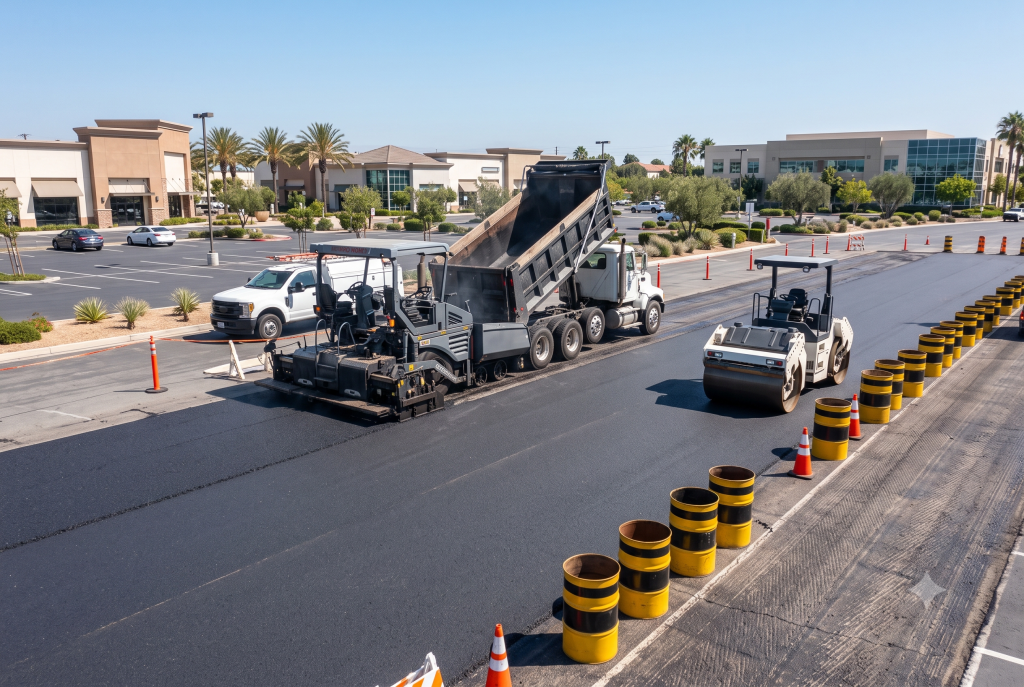
How Fast Can You Reopen After Commercial Asphalt Paving in Orange County? July 28, 2026 Orange County How Fast Can You Reopen After Commercial Asphalt Paving in Orange County? If you own a business anywhere from Anaheim to Santa Ana, “how much” isn’t really the first question on your mind when a paving job comes up. It’s “how long am I dealing with this.” Every day a lot’s blocked off is a day fewer customers pull in, or a delivery truck has to reroute somewhere it shouldn’t be. Here’s the part most property owners don’t expect: commercial paving in Orange County usually moves faster than people assume, especially when it’s scheduled around your hours instead of just whenever a crew has an opening. This isn’t meant to replace our commercial asphalt paving page , think of it more as the practical, what-actually-happens version that goes with it. How Long Does Commercial Asphalt Paving Actually Take? Most jobs run two to five days, start to finish. A small driveway or single entry point can be done in a day. A full warehouse yard or a big retail lot might take closer to a week. There are a handful of stages that make up that window, tear-out or milling, prepping the base, laying the new asphalt, then letting it cure, and each one moves at its own pace. Rush any of them and you’re basically buying yourself cracks a year or two down the line. How Soon Can You Reopen for Business After Paving? Walking on it is usually fine within a day. Driving on it is a different story, plan on 3 to 5 days before it’s ready for real vehicle traffic. Fresh asphalt is still soft right after it’s laid, and a delivery truck taking a tight turn on it can leave a rut that’s there for good. That’s the whole reason paving in sections works so well. Half your lot stays open while the other half sets up, instead of shutting the entire property down at once. What Slows Down a Commercial Paving Timeline? Nine times out of ten, it’s not the asphalt causing delays, it’s what’s underneath it. Soft, waterlogged soil or old buried debris means crews have to stop and fix the base before anything gets paved on top. Utility lines, drainage fixes, permits, commercial sites tend to have more of these than a residential driveway ever would. It’s part of why a real walk-through before quoting matters. Better to find these problems on day one than in the middle of the job. Mill and Overlay vs. Full Replacement, Which One’s Faster? Mill and overlay wins on speed almost every time, often a day or two, versus four-plus for a full tear-out and replace. Milling just grinds off the top worn layer and lays fresh asphalt over a base that’s still structurally sound. Full replacement comes into play when that base isn’t sound anymore, alligator cracking, potholes that keep coming back no matter how many times they’re patched, water that just sits there and never drains. Figuring out which camp your lot falls into is basically what a proper assessment is for. Does Orange County Weather Actually Affect Paving Schedules? Yes, and mostly in a good way. Warm, dry weather cures asphalt faster, and that’s the norm here for most of the year, the ideal window sits somewhere between 50 and 90 degrees. Coastal spots like Newport Beach or Huntington Beach sometimes deal with morning marine layer that can push back the start of a pour by a bit. Inland, in places like Anaheim or Corona, the drier heat tends to make for tighter, more predictable curing windows. Keeping Business Disruption to a Minimum Off-peak hours and slower days can cut down disruption more than people expect. Early starts, weekends, splitting the lot into sections so there’s always somewhere for customers to park, all of that helps. A little signage and a temporary parking plan go further than most owners realize too. Any contractor who’s paved a fair number of Orange County retail centers or office parks should already have a phasing plan worked out before you even bring it up. How Often Should a Commercial Lot Be Maintained? Seal coat every two to three years, and seal cracks the moment they show up, do that and most lots never need an emergency repair. Preventive work is cheaper in every sense, money and downtime both, since small cracks caught early almost never require closing the lot to fix. Lots that get this kind of attention also tend to go longer between full repaves, sometimes by years. Warning Signs Worth Catching Early Alligator-style cracking, water pooling after rain, potholes that reappear after being patched, none of that’s cosmetic. It’s the base telling you it’s failing, and ignoring it just means a bigger, more expensive job later. Catching it early is usually the difference between a repave you schedule on your terms and one you’re forced into. Ready to Plan This Around Your Business Instead of Against It? A paving project doesn’t have to eat into a week of revenue. With the right sequencing and a contractor who works around your hours, most Orange County businesses are back to normal in days. If you’re trying to figure out timing, scope, or whether you’re looking at a mill and overlay or a full replacement, our commercial paving team can walk the property and map it out before anything’s locked in. FAQs How long does asphalt need to cure before parking on it?  Foot traffic’s usually fine after a day, but give it 3 to 5 days before driving on it to avoid ruts in the fresh surface. Can I stay open during commercial paving?  Most of the time, yes. Phasing the lot lets part of it stay open while the rest cures, which works well on bigger Orange County properties. Does Orange County heat affect curing time? It does, and it helps. Warm, dry weather speeds things up, so

How Fast Can You Reopen After Commercial Asphalt Paving in Orange County? Read More »

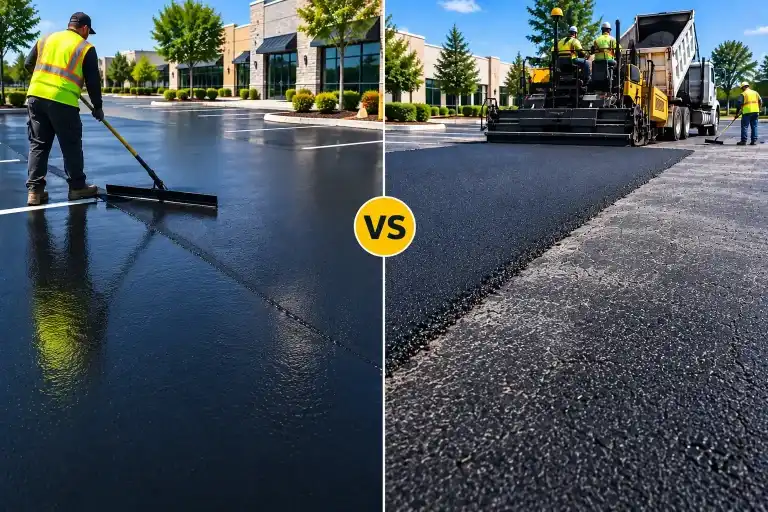
Driveway Sealcoating in Orange County: What Homeowners Actually Need to Know

Driveway Sealcoating in Orange County: What Homeowners Actually Need to Know July 28, 2026 Orange County Driveway Sealcoating in Orange County: What Homeowners Actually Need to Know If you own a home in Orange County, your driveway takes a beating every single year. The sun out here is relentless, and most homeowners don’t realize how much damage UV exposure and dry heat actually do to unprotected asphalt pavement. A driveway that looks perfectly fine today can start cracking and fading faster than you’d expect. Sealcoating is one of those important maintenance steps that genuinely pays off over time, and yet a lot of people put it off or skip it entirely. This guide covers what Orange County residents actually need to know before making that call. What Does Driveway Sealcoating Cost in Orange County? Pricing is usually the first question, and it’s a fair place to start. For most residential driveways in Orange County, professional driveway sealcoating runs somewhere between $150 and $400. That range shifts depending on the size of your driveway, its current condition, and whether crack filler is part of the job. Contractors typically price work at $0.17 to $0.30 per square foot, so a standard two car driveway usually lands on the lower end of that range. If your asphalt has significant cracking or oils and stains that need treatment before sealing, expect the number to climb a bit. Always ask upfront what’s included. Some contractors bundle crack filling and curb prep into their quote. Others charge separately for those steps. Getting two or three quotes from local Orange County contractors is genuinely worth the time. Pricing can vary more than you’d think, even within the same neighborhood. Is Sealcoating Actually Worth It Out Here? Honestly, yes. And it’s not a close call. Southern California’s UV intensity is one of the biggest threats to asphalt longevity. Unprotected surfaces oxidize and become brittle much faster out here than in cooler, cloudier climates further north or east. A quality asphalt emulsion sealer creates a protective barrier that slows that breakdown significantly. It also repels water, which matters more than most people realize. Even in a dry climate like Orange County, morning dew and occasional winter rain can work their way into small cracks and widen them over time, eventually creating a pothole or larger pavement failure if left untreated. Beyond the structural stuff, there’s curb appeal. A freshly sealed road surface looks noticeably cleaner and well cared for. For homeowners thinking about resale value, or just general pride in their property, that visual difference is real. Getting your asphalt sealcoated professionally can ultimately save Orange County homeowners thousands in premature repaving costs down the road. When Is the Best Time of Year to Seal a Driveway in Orange County? This is where local homeowners have a real advantage over most of the country. In states with harsh winters, sealcoating is basically limited to a narrow window of warm months. Out here, that window stretches much further into the year. Fall is genuinely one of the better times to get your driveway sealed in Southern California. Temperatures are mild, the brutal summer heat has settled, and contractors often have more scheduling availability than during the busy spring rush. The emulsion mixture in quality sealers needs stable temperatures to bond properly to the pavement. As long as temps stay above 50 degrees and no rain is expected for at least 24 hours after the job, sealer cures properly and bonds well to the surface. A lot of Orange County homeowners assume November is too late. In most parts of the county, it really isn’t. The climate works in your favor here in a way that simply doesn’t apply in most other states. How Long Does a Sealcoat Actually Last? A professionally applied sealcoat in Orange County typically holds up for two to four years before needing a fresh application. That lifespan depends on traffic volume, how well the surface was prepped before the job, and whether a coal tar or asphalt based binder product was used. High traffic driveways, particularly those seeing regular delivery vehicles or multiple cars daily, tend to wear faster. For those situations, scheduling a reseal every two years makes more practical sense than waiting for visible deterioration to show up. Staying ahead of wear consistently costs less than dealing with it after the fact. The Process Actually Matters More Than Most People Think This is something contractors don’t always explain upfront. Proper sealcoating starts with a thorough surface cleaning using a broom and blower, followed by primer application on problem areas, oil stain treatment, and filling any existing cracks with filler before a single drop of sealer goes down. Skipping that prep work is the single most common reason DIY sealcoating jobs fail earlier than they should. After prep, sealer gets applied in two thin coats using a squeegee or spray system depending on the contractor’s method and the texture of the surface. Each coat needs adequate drying time before the next one is applied. Rushing that process leads to peeling, bubbling, and uneven coverage that simply won’t hold up. Professional application consistently outperforms DIY results, especially on larger driveways baking under Orange County’s intense afternoon sun. Residential vs. Commercial: The Differences Worth Knowing Residential driveway sealcoating and commercial parking lot sealcoating follow the same basic principles but differ in scale, timing, and complexity. Commercial lots in Orange County take far more punishment daily, which means they typically need resealing on a tighter two to three year cycle. They also require line striping, ADA compliant markings, and fire lane designations that add to the overall scope of work. For business owners, keeping a parking lot well maintained isn’t just about aesthetics. Concrete barriers, gravel edges, and sidewalk transitions all factor into a complete commercial maintenance plan. A cracked, faded lot sends a message to customers before they even walk through the front door. Staying on a consistent maintenance schedule keeps both the pavement and the

Driveway Sealcoating in Orange County: What Homeowners Actually Need to Know Read More »

Asphalt vs Concrete Driveways: Which Holds Up Better in Orange County?

Asphalt vs Concrete Driveways: Which Holds Up Better in Orange County? July 28, 2026 Orange County Asphalt vs Concrete Driveways: Which Holds Up Better in Orange County? For many Orange County homeowners, asphalt is the more practical choice because it costs less upfront and handles local soil movement well. Concrete, however, offers a different set of advantages, particularly for homeowners who prioritize appearance and long-term durability.  This question comes up constantly, especially from people who just bought an older home in Fullerton or Irvine and are staring at a driveway that’s seen better days. Both materials can last decades if they’re installed well. The real differences show up in cost, how they handle our climate, and what kind of maintenance you’re willing to keep up with. Here’s how the two actually stack up once you get past the surface level pros and cons. Is Asphalt Cheaper Than Concrete? Yes, asphalt is almost always the cheaper option upfront, usually running somewhere between a third and half the cost of concrete for a similar sized driveway. That gap tends to matter most for larger residential driveways or commercial lots, where the price difference adds up fast across more square footage. Concrete can close some of that gap over a very long lifespan since it needs less frequent attention, but for most homeowners the initial cost is what tips the decision. Which Material Handles Orange County Heat Better? Asphalt actually handles heat swings a bit better than concrete does, largely because it’s more flexible and can expand and contract without cracking as easily. Concrete is rigid by comparison, which means it’s more prone to hairline cracking when the ground beneath it shifts during temperature changes. Inland communities like Anaheim and Santa Ana see enough heat that this flexibility actually matters over the life of the driveway, not just on paper. How Do They Compare on Lifespan? Concrete generally lasts longer on paper, often 30 to 40 years compared to asphalt’s typical 20 to 30 year range. In practice though, that gap narrows quite a bit once you factor in maintenance. If you want a deeper look at what actually determines how long a driveway holds up in this climate, our guide on asphalt driveway lifespan in Orange County breaks down the specifics. Does Installation Quality Matter More for One Material? It matters enormously for both, but the consequences look different depending on which one you choose. A poorly compacted base under asphalt usually shows up as cracking and rutting within a few years. Under concrete, a bad base often leads to more dramatic slab cracking or even sections that heave upward. Either way, the base is doing most of the work long before the surface material ever comes into play, which is exactly why a rushed installation tends to cause problems no matter what you pour or pave on top of it. What About Repairs and Long Term Maintenance? Asphalt is easier and cheaper to repair, which is a big part of why so many homeowners lean that direction. Cracks can be sealed, and full resurfacing is usually a fraction of the cost of tearing out and replacing concrete. Concrete repairs, on the other hand, often mean replacing entire slab sections since patches tend to stand out visually and rarely blend seamlessly with the surrounding surface. If your driveway is already asphalt and showing wear, this is where working with an experienced Orange County paving contractor pays off, since knowing whether to patch, seal, or resurface can save a decent amount of money over guessing. How Does Orange County Soil Affect the Decision? Expansive clay soils found in parts of Santa Ana and Irvine shift more than sandy soil does as moisture levels change through the year. Asphalt tends to tolerate that movement a bit better since it flexes instead of cracking outright. Concrete can still work fine on these soils, but it usually requires more attention to base preparation and reinforcement upfront to avoid cracking down the road. Homeowners on hillside lots, like those in Anaheim Hills, also need to think about drainage just as much as the material itself, since water running downhill puts stress on either surface over time. Which One Looks Better for Curb Appeal? Concrete generally wins on appearance, especially with stamped or decorative finishes that give a more upscale look. Asphalt is more utilitarian by nature, though it can still look clean and sharp with a fresh sealcoat every couple of years. For homeowners focused purely on resale value or a polished look, concrete sometimes justifies the higher price. For everyone else, asphalt tends to deliver a good looking driveway without stretching the budget. FAQs Is asphalt or concrete better for a steep driveway?  Asphalt is usually preferred on slopes since it grips better in wet conditions and handles ground movement more easily than rigid concrete. Does concrete crack less than asphalt over time?  Not necessarily. Concrete cracks less often but the cracks that do form tend to be more visible and harder to repair invisibly. Can you convert a concrete driveway to asphalt?  Yes, though it usually requires removing the old concrete first rather than paving directly over it for a lasting result. Which material adds more resale value?  Concrete often edges out asphalt for resale in higher end neighborhoods, though asphalt still performs well in most standard residential markets. Is asphalt or concrete more affected by Orange County heat?  Asphalt handles heat swings better overall, while concrete is more likely to develop hairline cracks from temperature related ground movement. Not Sure Which Driveway Material Makes Sense for Your Home? Every property is a little different once you factor in soil type, slope, sun exposure, and budget. Husky Asphalt Paving has been helping Orange County homeowners weigh these decisions since the early 90s, and can walk you through what actually makes sense for your specific driveway rather than a generic answer. If you’d like to see examples of past work or learn more about service

Asphalt vs Concrete Driveways: Which Holds Up Better in Orange County? Read More »

Interior Demolition in Orange County: Costs, What’s Included, and When It Makes Sense

Interior Demolition in Orange County: Costs, What’s Included, and When It Makes Sense July 28, 2026 Orange County Interior Demolition in Orange County: Costs, What’s Included, and When It Makes Sense   So you’re thinking about gutting the inside of a property. Maybe it’s a tired old kitchen in a Fullerton bungalow. Maybe you picked up a commercial space in Santa Ana and the previous tenant left it in rough shape. Either way, interior demolition is likely your starting point and it’s worth understanding what you’re actually getting into before you start calling contractors. Most people assume it’s straightforward. You knock some stuff down, haul it away, done. But there’s a lot more that goes into it, especially in Orange County where permits, hazardous materials, and disposal costs all factor into the final number. What Interior Demolition Actually Involves Interior demolition means removing everything inside a structure while keeping the exterior walls, foundation, and framing intact. We’re talking drywall, flooring, drop ceilings, cabinets, bathroom fixtures, partition walls, plumbing rough ins, electrical components. The shell of the building stays. Everything inside gets stripped out. This is what separates it from a full structural teardown. And that distinction matters because it changes the entire scope of work, the permitting process, and what you’ll pay. If you’re weighing your options between a partial gut and a complete interior demolition in Orange County, understanding that difference upfront will save you from a lot of mid project surprises. That’s really the sweet spot for this type of work. You’re not rebuilding from the ground up. You’re clearing the canvas so the real renovation can begin. What’s Actually Included in the Scope This varies more than people realize. A basic interior demo might just be pulling up old flooring and removing a couple of non load bearing walls. A full gut job is something else entirely. In most Orange County projects the scope covers drywall removal, ceiling demolition, cabinet and fixture tearout, flooring removal across all surfaces, and disconnection of plumbing and electrical components. For older properties, and there are plenty of them in cities like Orange, Placentia, and La Habra, hazardous material testing and abatement is often part of the process before anything else can happen. The Hazardous Materials Reality in Orange County This part doesn’t get talked about enough. A significant portion of Orange County’s housing stock was built before 1980. That means asbestos in floor tiles, ceiling texture, pipe insulation, and drywall compounds. Lead paint on walls, trim, and window frames. Both are common. Both require certified testing and abatement before any demolition crew can legally begin work. This isn’t a scare tactic. It’s just the reality of working with older properties in cities like Anaheim, Orange, and Garden Grove where mid century homes are everywhere. The abatement process adds time, usually one to two weeks depending on the extent of contamination, and it adds cost. Budget for it. A reputable demolition contractor in Orange County will flag this during the initial walkthrough rather than surprising you with it halfway through the project. Skipping proper abatement isn’t just a code violation. It creates serious liability and health risks for everyone on site and anyone living nearby. Do it right the first time. What Does It Cost in Orange County This is usually the first question and honestly it’s the hardest one to answer without seeing the property. But real ballpark numbers help. Most Orange County contractors charge somewhere between $500 and $8,000 for interior demolition work depending on the size of the space and what’s being removed. On a per square foot basis you’re typically looking at $5 to $15 dollars. So for a 1,500 square foot home, the expected price range to gut or demolish that space falls between $8,000 and $25,000 depending on the extent of the work, with hazardous materials and permit fees potentially pushing that number higher. A single bathroom tearout sits way below that range. A full commercial gut of a 4,000 square foot retail space pushes well above it. The variables that move the number most are square footage, hazardous material presence, permit requirements, and debris disposal. Always ask for an itemized estimate. Not a ballpark number over the phone. An actual line by line breakdown so you know exactly what’s covered and what could become an add on once work starts. How Long Does Interior Demolition Take Timeframes are something most contractors don’t volunteer upfront and most homeowners forget to ask about. For a single room gut, a crew can typically wrap up in one to two days. A full interior demolition of a mid sized home in Orange County usually runs anywhere from three to seven days depending on crew size, site conditions, and how much material needs to come out. Commercial projects take longer. A full interior gut of a retail or office space can run one to three weeks depending on square footage, hazardous material abatement, and the complexity of the mechanical systems being removed. If permits are still pending when the crew is ready to start, that adds time too. Plan for the realistic end of whatever range your contractor gives you. Projects almost never finish early. Having a buffer in your timeline prevents the kind of pressure that leads to shortcuts. Remodel or Tear Down and Rebuild This comes up constantly and it’s genuinely a case by case decision. There’s no universal right answer but there are some pretty clear signals that point one direction or the other. If the home has solid structure, a good foundation, and the work is mostly cosmetic or limited to specific rooms, a targeted interior demolition and remodel is usually faster and more cost effective. You’re not reinventing the wheel. You’re just updating what’s there. But when the problems run deeper, outdated electrical throughout, aging plumbing, foundation concerns, structural issues that keep revealing themselves the math often shifts. For Orange County homeowners seriously weighing their options, a full home demolition in Orange County frequently

Interior Demolition in Orange County: Costs, What’s Included, and When It Makes Sense Read More »