
How Often Should Commercial Parking Lots Be Sealcoated?
- September 20, 2026
- Orange County, CA
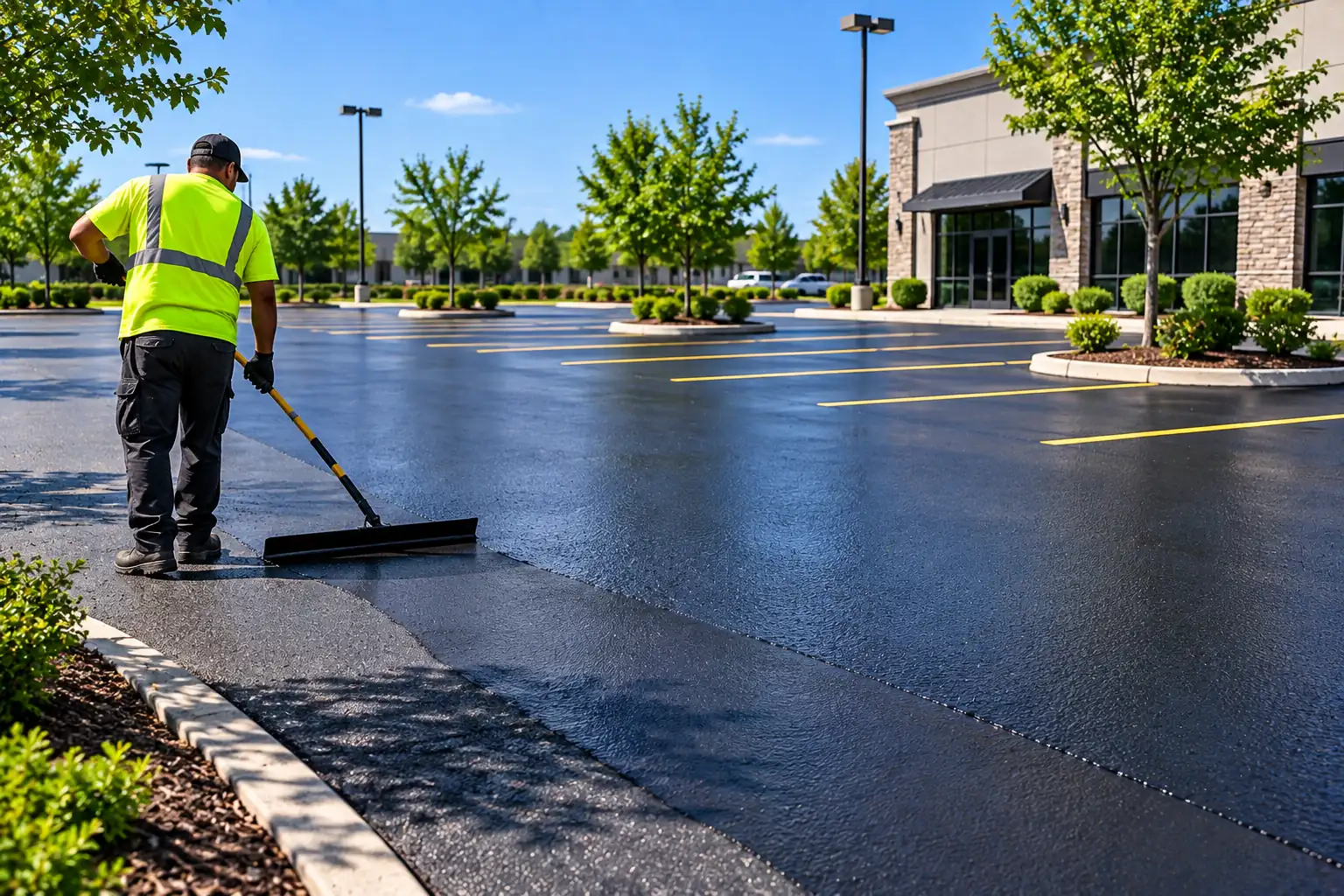
How Often Should Commercial Parking Lots Be Sealcoated?
Sealcoating is one of those things that’s easy to put off. The lot still looks fine, business is busy, and there’s always something else competing for the budget. Then a few years go by, cracks start showing up everywhere at once, and suddenly what would’ve been a simple maintenance job turns into a real repair bill.
We get asked about timing a lot, usually by property managers juggling more than one location around Orange County. This piece covers how often sealcoating actually needs to happen, what changes that timeline, and what it costs you to wait too long. If your lot’s overdue, our sealcoating services page is a good next stop once you’ve got a sense of where your property stands.
So How Often Should a Commercial Lot Actually Be Sealcoated?
Most commercial lots need sealcoating every two to three years, though busier properties can need it closer to every eighteen months. That range isn’t arbitrary. It’s roughly how long the seal itself holds up against sun exposure, water, and daily traffic before it starts wearing thin. A lot that sees constant delivery trucks and heavy foot traffic simply burns through that protection faster than a quiet office park with light use.
What Happens If You Wait Too Long Between Sealcoats?
Waiting too long lets sun and water start breaking down the asphalt underneath instead of just the protective layer on top. Once that happens, you’re not looking at a simple recoat anymore. You’re looking at cracks that need sealing first, maybe some patching, and a bigger bill than if the sealcoat had gone on when it was supposed to. It’s the classic case of a cheap job now turning into an expensive one later.
Does Traffic Volume Actually Change the Timeline?
Yes, and it’s probably the single biggest factor in how often a specific lot needs attention. A retail center with constant customer traffic and delivery trucks wears through sealcoating faster than a lot that mostly sees employee parking during business hours. Loading docks and entrances tend to need attention more often than the rest of the lot too, since that’s where the wear concentrates.
What’s Actually Involved in a Sealcoating Job?
A sealcoating job starts with cleaning the surface, then filling any cracks, and finally applying the protective coating itself, usually in one or two coats depending on the lot’s condition. It’s a lot less involved than resurfacing or replacement since nothing structural is being touched, just protected. Most commercial jobs can be done in a day or two depending on lot size, which is part of why it’s such a manageable maintenance item compared to bigger repairs.
Does Orange County Weather Affect When You Should Sealcoat?
It does, mostly around picking the right window rather than changing how often you need it. Sealcoating needs warm, dry conditions to cure properly, which this area has plenty of for most of the year. Late spring through early fall tends to be the easiest stretch to schedule, while the occasional heavy winter rain is really the only thing that can push a project back a bit.
What Are the Signs a Lot Is Overdue for Sealcoating?
Fading color, a rough or dry looking surface, and small cracks starting to show up across the lot are all signs it’s time. The asphalt doesn’t have to look bad yet for it to be due. In fact, catching it while it still looks decent is exactly the point, since sealcoating is meant to protect a healthy surface, not fix a damaged one.
How Does Sealcoating Fit Into Long Term Pavement Care?
Sealcoating is really the cheapest, easiest thing you can do to stretch the life of a parking lot by years. Lots that get coated on a consistent schedule tend to go much longer between needing a full resurface or replacement, since the base and surface underneath stay protected from the elements the whole time. It’s the kind of maintenance that pays for itself by avoiding a much bigger expense down the road.
Is Sealcoating Worth It Compared to Just Waiting for Repairs?
Almost always, yes, since sealcoating costs a fraction of what patching and repairing a neglected lot ends up costing over time. Waiting for problems to show up before doing anything means you’re always playing catch up, and usually paying more for it. A little bit of maintenance on a schedule beats a big repair bill every time.
Not Sure Where Your Lot Stands?
If it’s been a while since your lot was sealcoated, or you’re not sure when it was last done, that’s a pretty easy thing to figure out with a quick look. Our paving contractor team can take a look at your property, tell you honestly where it stands, and get it scheduled before small wear turns into a bigger repair.
Frequently Asked Questions
How long does a sealcoating job typically last?
Most sealcoats hold up two to three years, though heavier traffic can shorten that closer to eighteen months in some cases.
Can sealcoating fix existing cracks in a parking lot?
Not on its own. Cracks need to be sealed first, then sealcoating goes on top to protect the surface going forward.
Is sealcoating necessary if my lot looks fine?
Yes, sealcoating protects a healthy surface before damage shows up, which is exactly why timing matters more than how it currently looks.
How long does a commercial lot need to stay closed during sealcoating?
Usually just a day or two, and lots can often be done in sections to keep part of the property open the whole time.
Does sealcoating really extend the life of a parking lot?
Yes, significantly. Lots kept on a regular sealcoating schedule generally go years longer before needing a resurface or full replacement.
Wondering How Much Life Your Pavement Has Left?
Most surfaces give you plenty of warning. The tricky part is knowing whether you’re looking at a small crack fill or something happening underneath that needs real work.
We’ve been on Riverside pavement for around 30 years now, and we’re happy to come take a look and tell you straight. Free estimates across Riverside, Corona, Moreno Valley, Norco, Jurupa Valley, and Perris.
Trending Posts
-
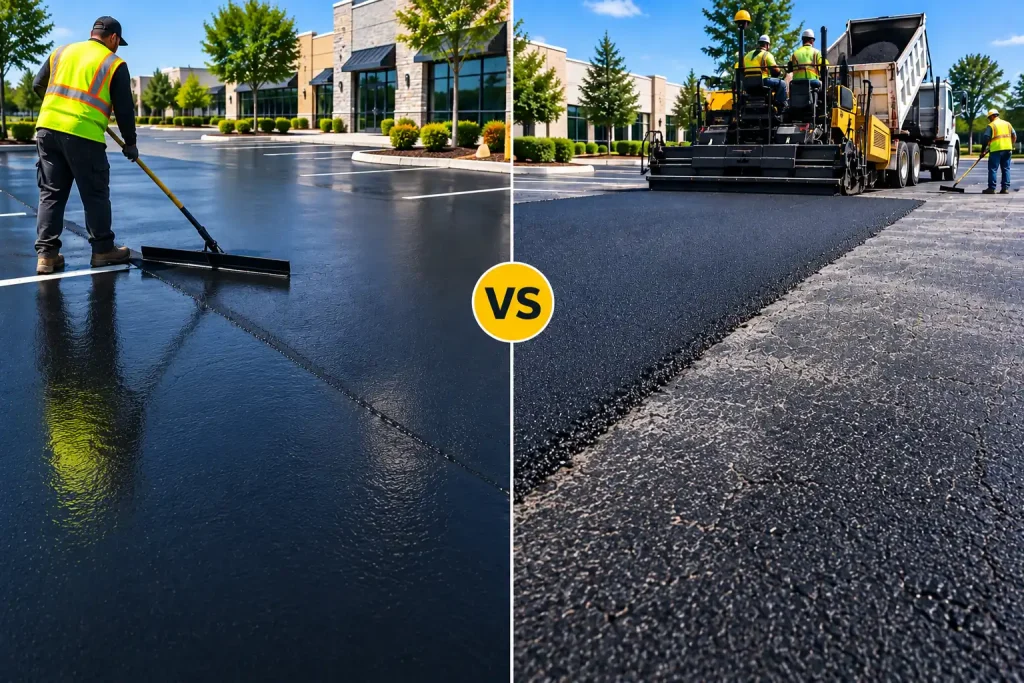 20 Sep 2026 Riverside, CASealcoating vs Resurfacing: Which Does Your Lot Need?
 -
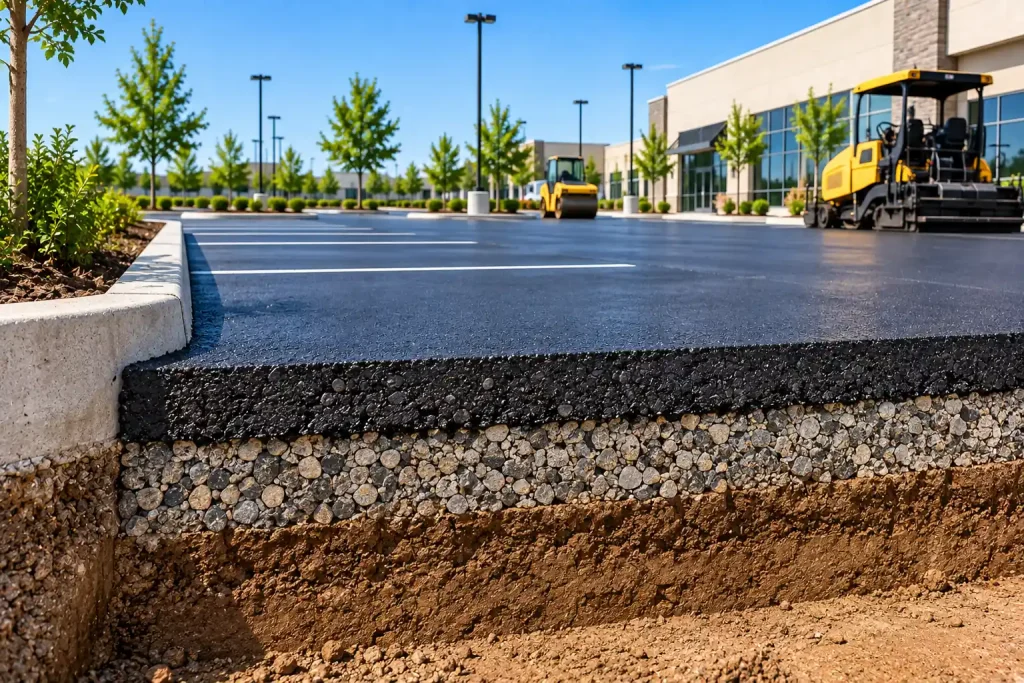 20 Sep 2026 Riverside, CAHow Thick Should a Commercial Parking Lot Be in Riverside?
 -
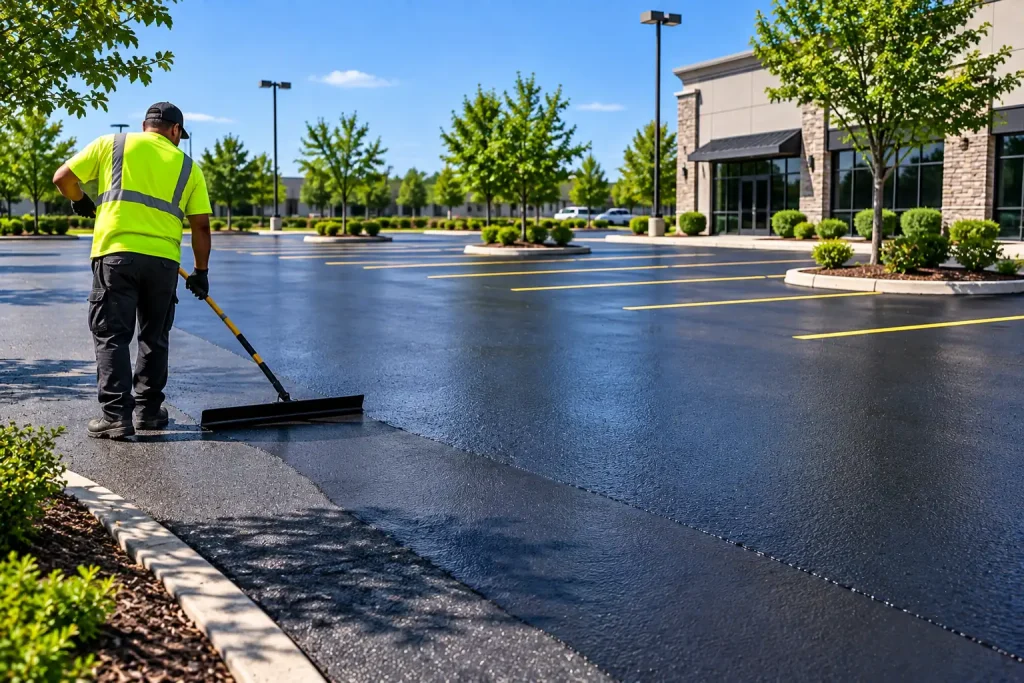 20 Sep 2026 Orange County, CAHow Often Should Commercial Parking Lots Be Sealcoated?
 -
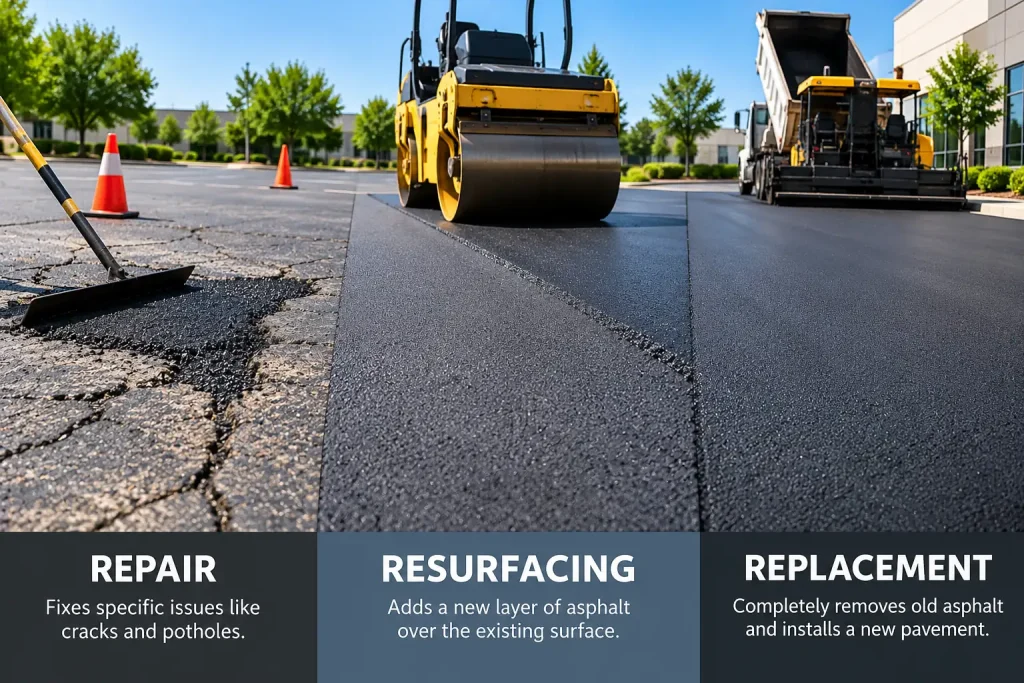 20 Sep 2026 Orange County, CAWhat Is the Difference Between Asphalt Repair, Resurfacing, and Replacement?
 -
 14 Sep 2026 Riverside, CAHow Long Does Asphalt Last in Riverside, CA?