
Do You Need a Permit to Demolish a House in Orange County, CA?
- August 10, 2026
- Orange County, CA
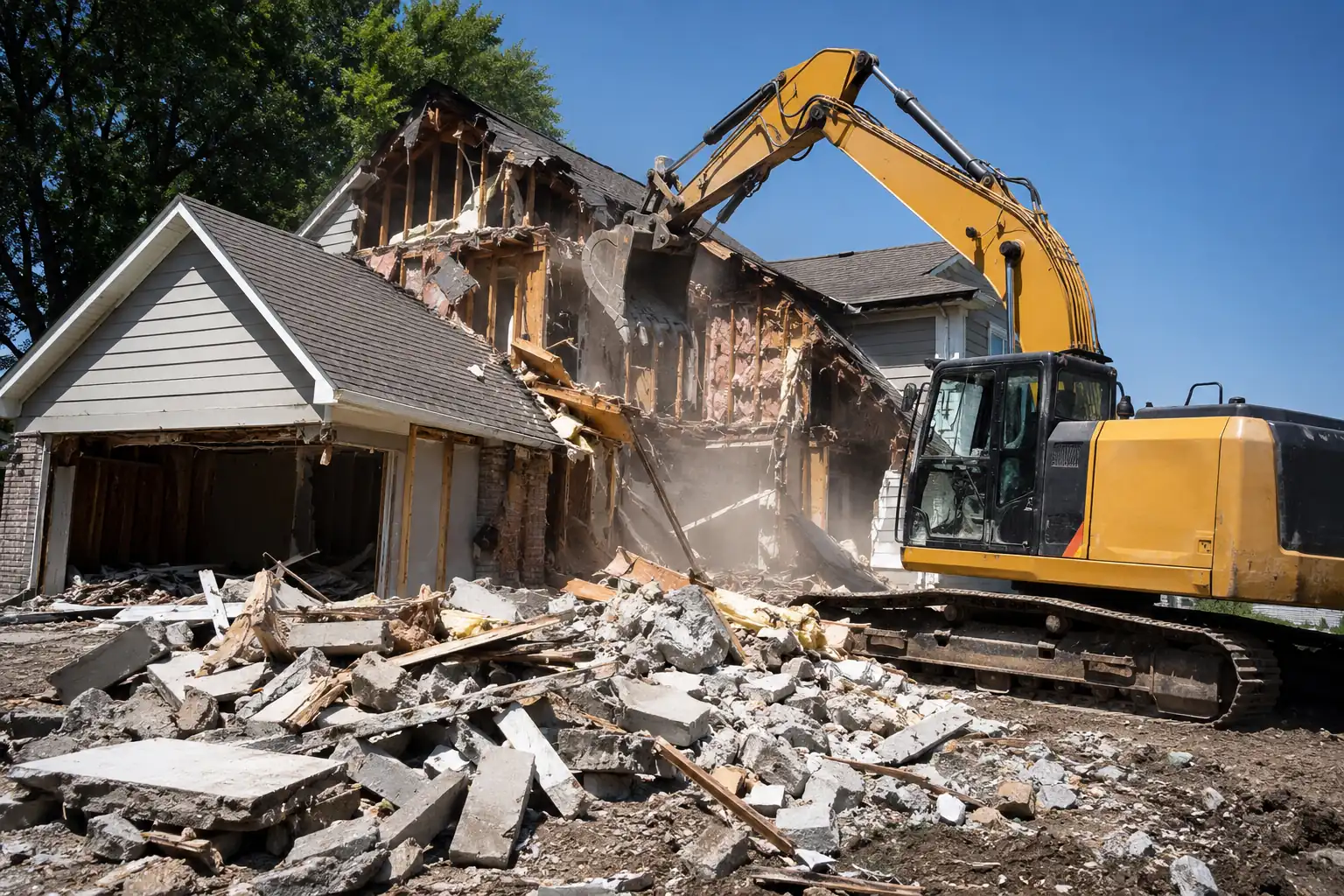
Do You Need a Permit to Demolish a House in Orange County, CA?
Almost every demolition horror story starts the same way. Work begins, then a city inspector shows up, and suddenly the whole project is on hold because nobody pulled the right permit. It happens more in Orange County than people expect, especially with older homes in neighborhoods like Fullerton or Garden Grove where a teardown seems simple on the surface but isn’t always.
This article breaks down what permits actually apply to a demolition project, what happens if that step gets skipped, and how the process tends to differ depending on which Orange County city you’re in. This demolition guide explains what permits are typically required, what affects approval timelines, and how to avoid delays before demolition begins.
Do You Need a Permit to Demolish a House in Orange County?
In most Orange County cities, demolishing a house requires a demolition permit issued by the local building department. Cities want to know a demolition is happening for safety reasons, utility coordination, and to make sure debris gets disposed of properly. Even a house that’s clearly falling apart still has to go through the same permitting process as one that’s perfectly livable.
What Happens If You Skip the Permit Process?
Skipping permits can lead to stop work orders, fines, and in some cases having to redo parts of the job the right way after the fact. It’s one of the most common reasons demolition projects stall out halfway through, which is exactly the kind of situation homeowners in Anaheim and Tustin describe when a low bid contractor turns out to have cut corners. Unpermitted demolition can also complicate selling or rebuilding on the property later, since the city has no record the work was ever done correctly.
How Long Does It Take to Get a Demolition Permit Approved?
Approval timelines vary by city, project scope, and application completeness. Straightforward residential demolitions may move faster than projects requiring environmental reviews or utility coordination. Commercial projects tend to take longer, especially if there’s an asbestos survey or utility disconnect involved. Submitting a complete, accurate application the first time is usually the biggest factor in avoiding delays, more than anything else in the process.
Do Commercial Demolition Projects Need Different Permits Than Residential Ones?
Yes, commercial demolition typically involves more layers of approval, including structural review and sometimes environmental assessments depending on the building’s history. A small retail space clearance moves differently than a full commercial teardown, and both move differently than a residential permit. This is part of why coordinating closely with project managers matters so much on commercial jobs, since timing delays ripple out to everyone else waiting on that site.
What Other Approvals Come Into Play Besides the City Permit?
Some HOA-governed communities may require advance notice or approval before demolition work begins. Gas, water, and electric all need to be safely disconnected before demolition starts, which usually means coordinating with separate utility providers on their own timeline. In neighborhoods with active HOAs, like parts of Irvine, there can be additional notice requirements before work begins, even once the city permit is in hand.
How Do Permit Requirements Differ Across Orange County Cities?
Permit requirements, review timelines, and supporting documentation vary by city, so homeowners and contractors should confirm local requirements before submitting an application. Irvine’s HOA density adds its own layer that doesn’t come up the same way in older, less regulated neighborhoods. Knowing these differences ahead of time saves a lot of guessing once a project is underway.
How Can You Avoid Permit Delays on Your Project?
Working with a contractor who handles permitting regularly in your specific city is the most reliable way to avoid delays. Someone who’s pulled permits in Fullerton a dozen times knows exactly what that city’s planning department expects on an application, which is very different from knowing the general permitting process in theory. Getting utility disconnection scheduled early, rather than after the demolition permit is approved, also keeps a project from stalling in that gap between the two.
What Should You Ask a Contractor About Permits Before Hiring Them?
Ask directly whether the permit is included in their quote or handled separately, since this is one of the most common places hidden costs show up later. It’s also worth asking how many projects they’ve permitted in your specific city recently, since local experience matters more than general demolition experience here. A contractor who can answer both of these clearly and without hesitation is usually one who’s done this the right way many times before.
Ready to Start the Process the Right Way?
Permits aren’t the exciting part of a demolition project, but skipping or rushing them is where most projects run into real trouble. Getting it right from the start keeps your timeline predictable and your project moving instead of stuck waiting on paperwork that should’ve been handled up front. If you’re planning a home teardown, a commercial clearance, or an interior gut job anywhere in Orange County, our demolition team handles the permitting process as part of the job, not as an afterthought.
FAQs
Do I need a permit to demolish a small shed or detached structure?
Most of the time, yes, though it really comes down to the city and how big the structure is. Worth a quick call to the local building department before you start, just to be sure.
Are environmental inspections required?
Depends on the age of the structure, honestly. Older buildings especially can need an asbestos test or some kind of environmental review before the city will even issue a permit.
How much does a demolition permit cost in Orange County?
It varies quite a bit by city and project size. Residential permits usually land somewhere in the low hundreds, while commercial ones tend to run higher.
Can a contractor pull the permit on my behalf?
Yes, and most experienced demolition contractors prefer it that way. It saves you the back and forth with city departments and keeps things moving on their end too.
What happens if I demolish a structure without a permit?
You’re looking at possible fines, a stop work order, and headaches later if you ever try to sell or rebuild, since there’s no city record the work happened at all.
Do interior demolition projects need a permit too?
Often, especially once walls or anything structural gets involved. Purely cosmetic removal sometimes slides by without one, but that depends on the city.
Not Sure Whether Your Driveway Has 5 Years or 15 Years Left?
No two driveways age the same way, even ones that look nearly identical from the curb. Husky Asphalt Paving can take a look at yours, explain what’s actually driving the wear, and help you figure out whether maintenance, repairs, resurfacing, or a full replacement makes the most sense for your budget. A lot of the time the answer is simpler, and cheaper, than people expect. Reach out to Husky Asphalt Paving for a straightforward look at where your driveway actually stands.
Trending Posts
-
 20 Sep 2026 Riverside, CASealcoating vs Resurfacing: Which Does Your Lot Need?
 -
 20 Sep 2026 Riverside, CAHow Thick Should a Commercial Parking Lot Be in Riverside?
 -
 20 Sep 2026 Orange County, CAHow Often Should Commercial Parking Lots Be Sealcoated?
 -
20 Sep 2026 Orange County, CAWhat Is the Difference Between Asphalt Repair, Resurfacing, and Replacement?
-
 14 Sep 2026 Riverside, CAHow Long Does Asphalt Last in Riverside, CA?