Husky Asphalt Paving

Orange County

Road Construction Services in Orange County: Process, Materials, and Standards

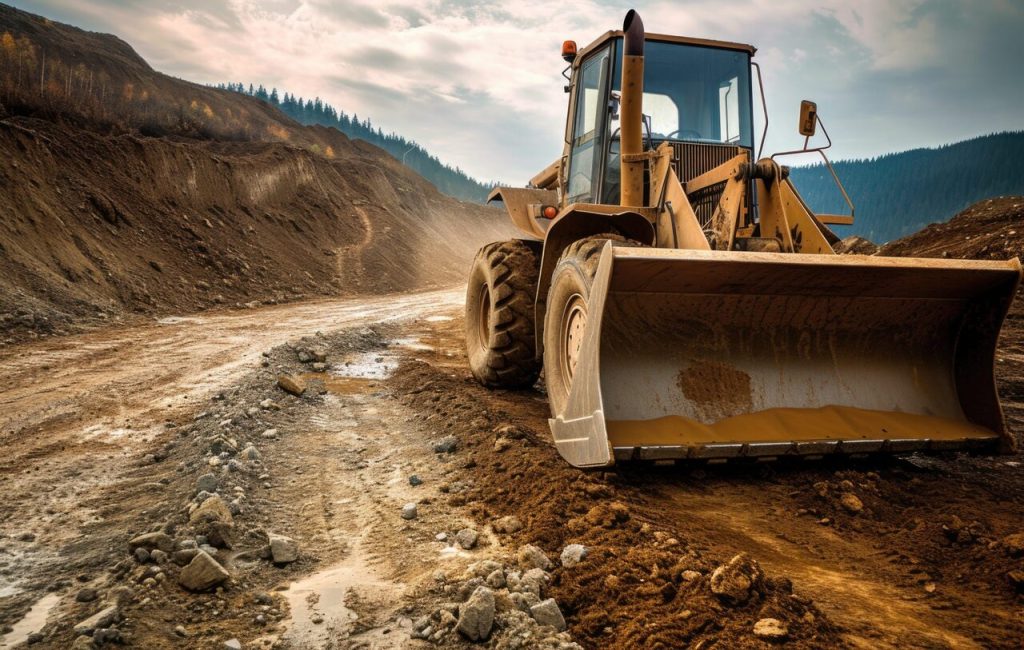
Road Construction Services in Orange County: Process, Materials, and Standards What Road Construction Services Include in Orange County Road construction services in Orange County cover a lot more ground than most people realize. At the core, you’re looking at site preparation, grading, base installation, asphalt or concrete paving, drainage planning, striping, and ongoing maintenance for residential, commercial, and municipal roads. That’s the short version. The longer version is that a road construction company in Orange County might be building a private road through a gated community one month and bidding on a municipal contract the next. The range of project types is wider than most people expect: Private roads serving gated communities and estates Commercial developments requiring dedicated access infrastructure Residential subdivisions built to municipal acceptance standards Industrial access roads engineered for heavy equipment loads Municipal contracts covering city streets and public right-of-way improvements Each project type is its own world, with its own permit requirements, engineering standards, and material decisions. Planning and Permits for Road Construction Projects This part of the process doesn’t get talked about much, but it sets the tone for everything that follows. Before a single piece of equipment shows up, road projects in Orange County move through city or county approval processes that vary depending on jurisdiction. Anaheim, Irvine, Santa Ana, Yorba Linda, they each have their own requirements, and knowing how to navigate those offices matters. Several things have to happen before grading can begin: Engineering plans get submitted and approved Soil testing establishes bearing capacity and identifies unstable subgrade conditions Utility coordination locates and protects underground gas, water, electrical, and telecom infrastructure Environmental review is completed where required near drainage areas or sensitive habitat Contractors who understand Orange County’s regulatory environment keep projects moving. Those who don’t tend to create expensive delays that nobody budgeted for. Site Preparation and Grading Process Site prep is unglamorous work. It’s also the work that determines whether a road holds up for twenty years or starts showing problems in five. It starts with clearing. Vegetation gets removed, topsoil gets stripped, and anything organic that would compress under load gets hauled off. Old pavement or structures come out during demolition. Then excavation begins, cutting and filling to establish the road’s designed elevation and cross section. Where soft or unstable soils turn up, and in parts of Orange County, they do, stabilization becomes necessary. Sometimes that means lime treatment. Sometimes it means pulling out bad material entirely and replacing it. Geotextile fabric gets used when conditions call for it. Compaction follows, done in lifts with vibratory rollers, and verified with density testing before moving on. Cross slope gets engineered into the graded surface at this stage. That one to two percent pitch isn’t an afterthought. It’s what moves water off the road surface before it can work its way into the base. Get that wrong during grading and you’ll be dealing with the consequences for the life of the road. Base Layers and Structural Foundation Standards The base layer is where road construction either earns its money or cuts corners. Class II aggregate base is California’s standard, and depth requirements vary significantly by use: Light residential roads: 4 to 6 inches of aggregate base Commercial and mixed use roads: 6 to 8 inches depending on traffic volume Heavy truck routes and industrial access roads: 12 inches or more Every lift gets compacted to at least ninety five percent relative compaction, confirmed by testing. There’s no shortcut here. Under compacted base is the most common reason roads fail ahead of schedule, and it doesn’t announce itself until the damage is already done. Load bearing design has to account for actual use. A road serving a distribution warehouse isn’t engineered the same way as a neighborhood street. And the subgrade beneath the aggregate base has to meet its own compaction standard, because a well built base sitting on weak material will still fail. Spending more on base work upfront saves a lot of money down the road. That’s not a figure of speech. Asphalt vs. Concrete Road Construction in Orange County This comes up on almost every project, and the honest answer is that it depends. Asphalt Asphalt paving costs significantly less upfront, typically thirty to forty percent below concrete, though material prices shift. Installation is faster, roads can usually open within a day or two of paving. Repairs are relatively straightforward to patch or resurface without a major production. Commercial asphalt paving performs well in Orange County’s climate. The summers are hot, UV exposure is real, and oxidation does accelerate over time, which is exactly why sealcoating on a regular schedule isn’t optional, it’s part of the math. Asphalt also handles minor subgrade movement better than concrete, which works in its favor on projects where ground conditions aren’t perfect. Concrete Concrete lasts longer without maintenance intervention and handles heavy axle loads without rutting. Over a thirty year window, lifecycle costs can favor concrete. But the upfront number is substantially higher, and repairs when they’re needed are more involved and more expensive. For most roads in Orange County, private, commercial, and municipal, asphalt wins on cost efficiency and available contractor expertise. Concrete shows up on industrial sites, port access roads, and projects where long term maintenance funding is locked in from the start. Drainage and Water Management in Road Construction California takes stormwater management seriously, and road construction projects are expected to address drainage thoroughly, not as a checkbox but as a core design element. Curbs and gutters direct runoff to planned collection points. Catch basins and storm drains handle design storm volumes without flooding the road surface. Culverts carry drainage under road crossings and have to be sized correctly or they become a washout risk. Roads in hillside areas of Orange County, Anaheim Hills, Yorba Linda, portions of Mission Viejo, face more complex drainage challenges than flat terrain. Cross slope, crown design, and superelevation on curves all work together to keep water moving at a controlled rate. Protecting asphalt

Road Construction Services in Orange County: Process, Materials, and Standards Read More »

Complete Guide to Asphalt Driveway and Parking Lot Paving in Orange County

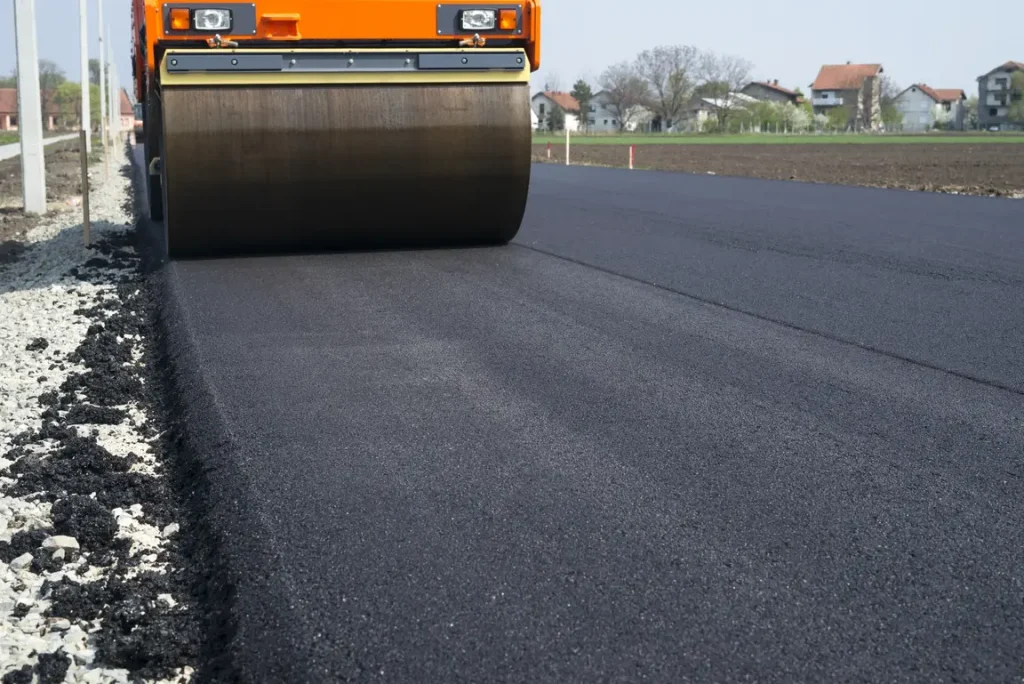
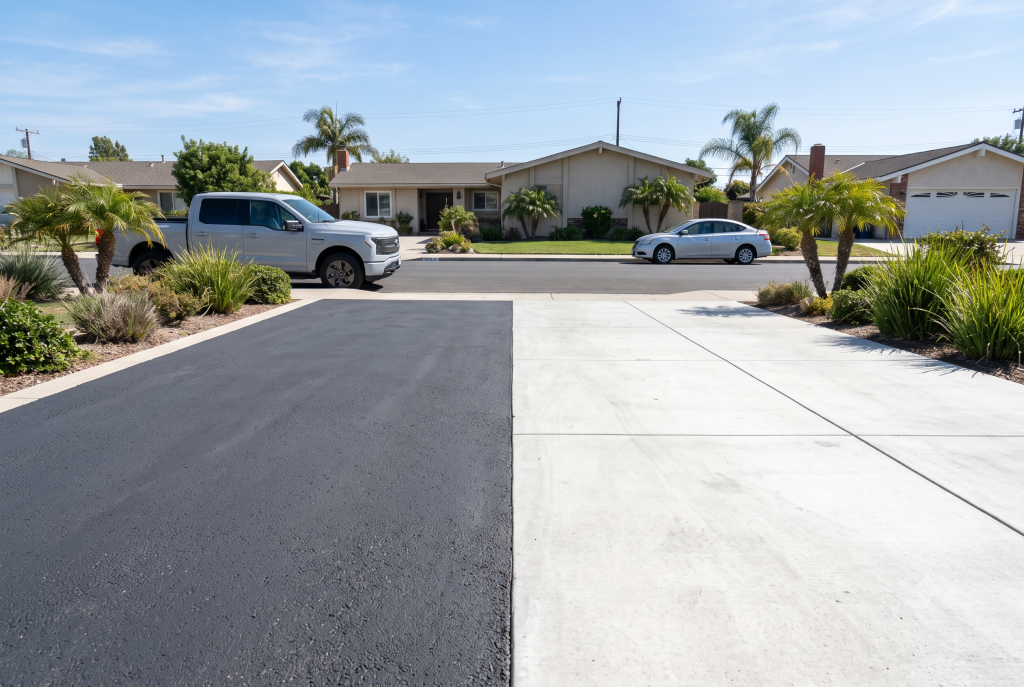
Complete Guide to Asphalt Driveway and Parking Lot Paving in Orange County Living in Orange County means sunshine pretty much all year. Sounds great until you realize what that constant heat does to your pavement. Driveways fade. Parking lots crack. And if the original installation wasn’t done right, you end up with problems way sooner than you should. We’ve seen a lot of growth around here lately. New homes going up in Irvine, businesses expanding toward Tustin and beyond. More people means more cars, more delivery trucks, and a whole lot more wear on every paved surface in the county. Getting your asphalt done properly isn’t just about looks. It’s about protecting something you’ll rely on every single day. What Actually Happens During Paving Most people don’t think about what goes into paving until they need it done. Understanding the basics helps you know what to expect. If you’re wondering what driveway installation actually involves, the process is pretty straightforward once you break it down. It starts with prep work. The crew clears out whatever’s there, levels the ground, and makes sure the soil underneath won’t cause problems later. This part takes time but rushing through it is one of the biggest mistakes a contractor can make. Then comes the base layer, usually crushed rock or gravel packed down tight. If there are loose spots in the base, the asphalt on top will eventually sink or crack. You won’t notice right away but give it a year or two and the problems show up. Once the base is solid, hot asphalt goes down and heavy rollers compact it into a smooth finish. Some projects need multiple layers depending on traffic demands. A residential driveway might only need a couple inches. A busy parking lot requires quite a bit more. Working with an experienced paving contractor in Orange County ensures each step gets done correctly. Driveways for Orange County Homes Your driveway doesn’t take the beating a commercial lot does, but it still needs to be built right. You’ve got your daily drivers, maybe a truck, possibly kids riding bikes on it. When thinking about driveway paving in Orange County, thickness matters. Most residential driveways work well with two or three inches of asphalt on a compacted base. That’s plenty for regular family use. If you live in a neighborhood with an HOA, check the rules before starting. Some associations get specific about materials and approved contractors. Better to know upfront than deal with headaches later. And a nice driveway just makes your whole house look better. That fresh black surface with clean edges changes the vibe of the place. If you ever plan to sell, buyers notice stuff like that immediately. Budget wise, asphalt remains one of the best deals out there. It gives you a solid surface that’ll last 15 or even 20 years with proper care. Parking Lot Requirements Commercial parking lots deal with stuff that would destroy a regular driveway quickly. Delivery trucks every morning. Hundreds of cars throughout the day. This requires a different approach. For asphalt paving in Orange County on commercial properties, the base goes deeper. We’re talking eight inches or more of compacted material. The asphalt layer itself usually runs around four inches depending on vehicle types using the lot. Water destroys parking lots faster than anything else. Good design means grading so water runs toward drains and away from pavement. After curing, striping needs to happen. Parking spaces, fire lanes, handicap spots that meet ADA requirements. This isn’t where you cut corners. What Commercial Property Owners Should Know Running a business while your parking lot gets torn up is stressful. Every day the lot is closed means potential lost customers. That’s why commercial asphalt paving in Orange County usually happens in sections. A good contractor keeps part of the lot open while paving another area. Takes longer but your business keeps running. Before the project starts, talk to your contractor about maintenance planning. When should you schedule inspections? How often does sealing need to happen? Getting ahead of small issues keeps them from becoming expensive problems. How Orange County Weather Affects Pavement Our weather is mild compared to places with snow, but it still impacts asphalt in ways you might not expect. Warm days cause asphalt to expand. Then it cools at night and contracts. This happens constantly and eventually leads to cracks if the asphalt wasn’t installed with our climate in mind. The sun breaks down the binder holding asphalt together. Over time the surface gets brittle and turns grayish. That’s more than cosmetic. Once the binder starts failing, everything else goes downhill. Properties near the coast deal with salt air that speeds up aging. Traffic patterns also vary across the county. A quiet street in San Clemente sees totally different use than a shopping center off the 405. Your paving specs should match actual daily demands. Parts of Orange County have clay soil that expands when wet and shrinks when dry. That movement pushes against pavement from underneath. Any decent contractor checks soil conditions during planning. Keeping Your Asphalt in Good Shape Even perfect installations need attention over time. The biggest thing you can do is keep up with sealcoating in Orange County. Every two or three years, fresh sealcoat protects from water and UV damage while bringing back that rich black color. Cracks will happen eventually. What matters is dealing with them before they spread. A small crack today becomes a network next year, then water gets into the base and suddenly you’re looking at potholes. Small repairs done early save huge amounts later. Sometimes the surface wears out but the base underneath remains solid. Resurfacing makes sense then. The contractor applies new asphalt over what’s there. Costs less than starting over and adds another decade to the pavement’s life. When things get really bad, asphalt repair in Orange County addresses potholes and crumbling edges. Patching problem areas keeps surfaces safe until you’re ready for bigger projects. Finding

Complete Guide to Asphalt Driveway and Parking Lot Paving in Orange County Read More »