
What Causes Alligator Cracking in Parking Lots?
- September 13, 2026
- Riverside, CA
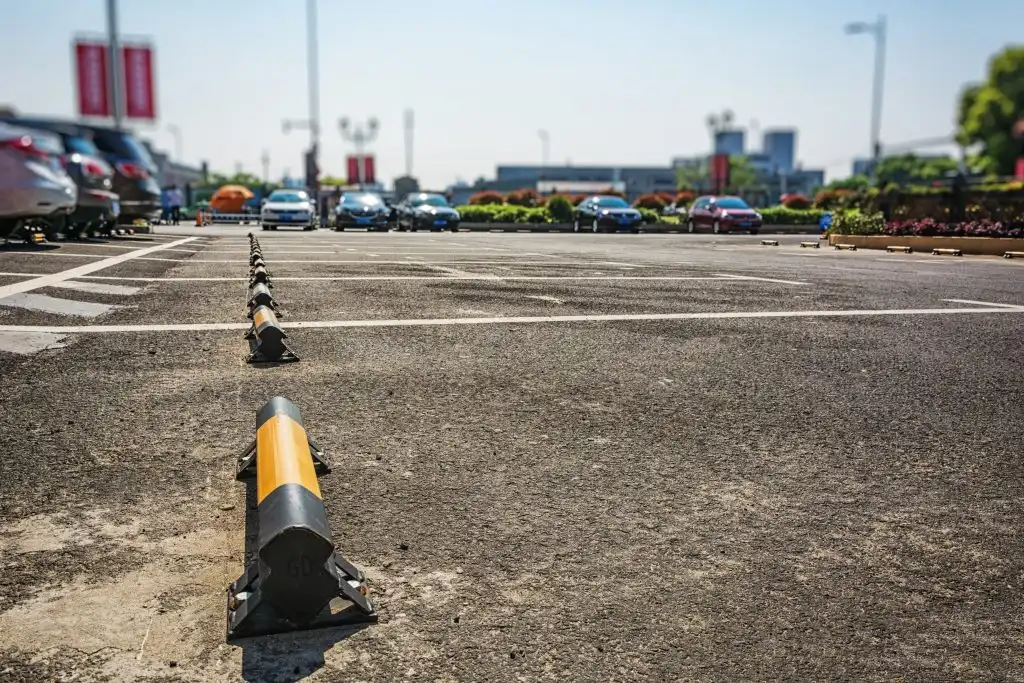
Causes of Alligator Cracking in Parking Lots
You’ve probably walked past it a hundred times without knowing it had a name. That section of your lot where the cracks connect into little interlocking squares, usually right where trucks turn in or where a puddle always sits.
That pattern is alligator cracking, and it’s the one type of asphalt damage we tell Riverside property owners not to sit on.
Regular cracks are a surface issue. Alligator cracking is different. By the time you can see it, the problem is already underneath the asphalt, in the base layer that’s supposed to be holding everything up.
The good news is that it usually starts in one or two spots, not across a whole lot. Catch it there and you’re looking at a patch. Wait a couple of years and you’re looking at a much bigger number. Here’s what actually causes it and what to do about it.
What Is Alligator Cracking, Exactly?
Alligator cracking is a web of connected cracks that breaks the asphalt into small, irregular pieces, similar to reptile skin. It’s also called fatigue cracking, which is honestly the more useful name.
The distinction that matters:
- Regular cracking runs in lines. It’s the surface shrinking, drying out, or moving.
- Alligator cracking forms a grid or web. It’s the pavement flexing because nothing solid is supporting it.
When alligator cracking appears, the pavement is showing signs of structural distress rather than simple surface aging.
What Causes Alligator Cracking in Asphalt Parking Lots?
Alligator cracking is a form of structural fatigue. It develops when repeated traffic loads exceed the pavement’s ability to carry them, often because the asphalt, base, or subgrade has become too weak. Water can make the problem much worse by weakening the supporting layers.
Here’s how it plays out:
- Water enters through cracks, joints, or bad edges
- It settles into the base instead of draining away
- The saturated base softens and shifts
- Traffic flexes the unsupported asphalt above it
- The asphalt fatigues and breaks into the web pattern
A few other things can cause it or speed it up:
- Asphalt laid too thin for the traffic the lot actually gets
- A base that was never compacted properly during the original install
- Poor grading, so water pools in the same spot after every rain
- Paving directly over a failing surface instead of milling first
That last one is common on lots that got a cheap “refresh” a few years back.
Why Heavy Vehicles Make It Worse
Weight is what turns a weak base into visible cracking. That’s why alligator cracking almost never shows up in the middle of empty parking stalls. It shows up in the paths vehicles actually use.
Check these areas on your own property:
- Entrances and exits where vehicles turn under load
- Delivery and loading areas
- Drive aisles and dumpster approaches
- Anywhere a truck routinely parks in the same spot
A lot designed for passenger cars that now takes daily box truck deliveries is a textbook case. The base was never built for that load, and it eventually says so.
Why Riverside Lots Show It Faster Than You’d Expect
Our climate sets pavement up for this. Long stretches of triple digit heat dry out the binder holding the asphalt together, and the surface goes brittle and porous well before it looks worn out.
Then a few winter storms arrive. All that rain hits a surface full of hairline cracks and soaks straight into the base instead of running off toward the storm drain.
Add expansive soils in parts of the city that swell when wet and shrink as they dry, and you get movement underneath the pavement year after year. Lots near Market Street, University Avenue, and the older commercial corridors show it first, because the base under them has been through a lot more of those cycles.
Can You Sealcoat or Fill Over Alligator Cracking?
No, and this is the mistake we get called out to fix most often. Sealcoating and crack filler are surface treatments, and alligator cracking is not a surface problem.
Seal over it and you’ll get a lot that looks great for a season. Underneath, the base is still wet and still moving, so the pattern comes right back through, usually worse.
Sealcoating is genuinely worth doing on healthy asphalt. It just isn’t a repair. Using it as one buys you a few months and costs you the money you’ll spend again doing it right.
How Alligator Cracking Actually Gets Repaired
Real repair means removing the failed asphalt and fixing the base underneath it. That’s called a full-depth patch, and it’s the only approach that lasts.
What a proper repair involves:
- Saw cutting a clean edge around the damaged area
- Removing the asphalt and the wet, contaminated base below
- Bringing in fresh aggregate and compacting it in lifts
- Laying new asphalt at full thickness and compacting it
- Correcting the grade so water drains away from the patch
If the cracking has spread across most of the lot, patching stops making financial sense and reconstruction becomes the better call. An honest Riverside paving crew will tell you which side of that line you’re on instead of defaulting to the bigger job.
How to Keep It From Coming Back
Prevention comes down to two things: keep water out, and don’t overload pavement that wasn’t built for it. Everything else is a variation on those.
What to do | How often |
Walk the lot after rain and note standing water | Twice a year |
Fill new cracks before winter storms | Yearly |
Clear debris from drains and gutter lines | Monthly |
Reseal healthy asphalt | Every 2 to 3 years |
Reroute heavy delivery traffic off weak areas | As needed |
The single highest-value habit is the after-rain walk. Water sitting in the same spot every time is your lot telling you where the next alligator patch is going to appear.
Frequently Asked Questions
Is alligator cracking serious?
Yes. It means the base under your asphalt has failed, not just the surface. Left alone, those sections turn into potholes fairly quickly.
Can alligator cracking be repaired without replacing the whole lot?
Usually, yes. If it’s limited to a few areas, full-depth patches handle it. Widespread cracking across most of the lot is when replacement makes more sense.
Why does alligator cracking keep coming back after repairs?
Because the base was never fixed. Surface patches over wet, unstable base material fail again within a season or two.
How long do I have before it becomes a pothole?
Often a single rainy season. Once water reaches the loose pieces, traffic pushes them down and the area opens up fast.
Does alligator cracking mean the original job was bad?
Not always. Thin asphalt or poor compaction can cause it, but so can drainage changes and heavier traffic than the lot was built to handle.
Is it worth fixing a small alligator patch right away?
Almost always. A patch caught early costs a fraction of what the same area costs after it spreads and takes neighboring pavement with it.
Not Sure How Bad Yours Is?
Take a look at the entrance to your lot and the spot where deliveries pull in. If you see that web pattern starting, it’s worth getting eyes on it before winter.
We’ve been repairing Riverside pavement for 30 years and we’ll tell you straight whether you’re looking at a patch, a section, or something you can leave alone another year. Estimates are free either way.
Trending Posts
-
 20 Sep 2026 Riverside, CASealcoating vs Resurfacing: Which Does Your Lot Need?
 -
 20 Sep 2026 Riverside, CAHow Thick Should a Commercial Parking Lot Be in Riverside?
 -
 20 Sep 2026 Orange County, CAHow Often Should Commercial Parking Lots Be Sealcoated?
 -
20 Sep 2026 Orange County, CAWhat Is the Difference Between Asphalt Repair, Resurfacing, and Replacement?
-
 14 Sep 2026 Riverside, CAHow Long Does Asphalt Last in Riverside, CA?