
Interior Demolition in Orange County: Costs, What's Included, and When It Makes Sense
- July 28, 2026
- Orange County, CA
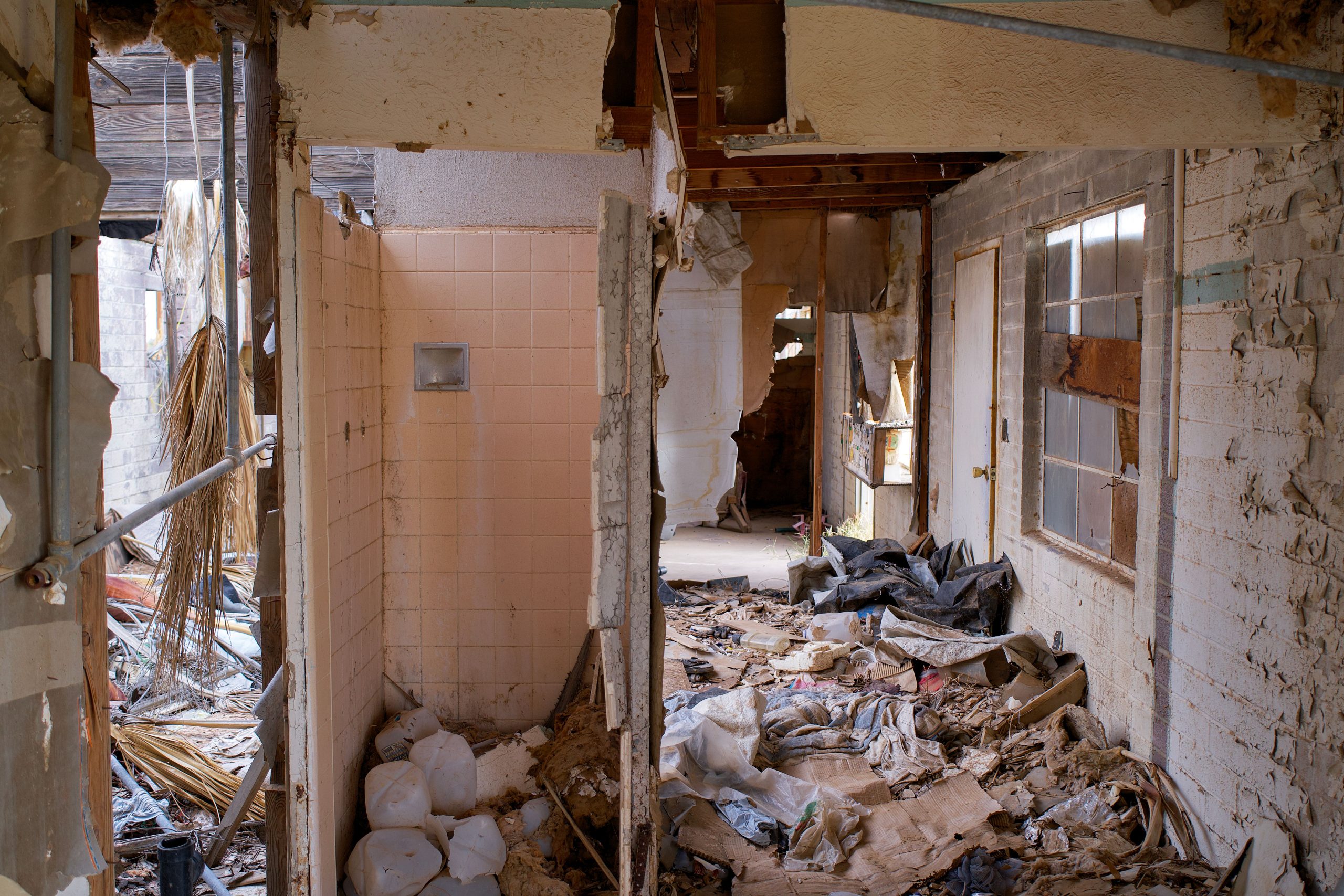
Interior Demolition in Orange County: Costs, What's Included, and When It Makes Sense
So you’re thinking about gutting the inside of a property. Maybe it’s a tired old kitchen in a Fullerton bungalow. Maybe you picked up a commercial space in Santa Ana and the previous tenant left it in rough shape. Either way, interior demolition is likely your starting point and it’s worth understanding what you’re actually getting into before you start calling contractors.
Most people assume it’s straightforward. You knock some stuff down, haul it away, done. But there’s a lot more that goes into it, especially in Orange County where permits, hazardous materials, and disposal costs all factor into the final number.
What Interior Demolition Actually Involves
Interior demolition means removing everything inside a structure while keeping the exterior walls, foundation, and framing intact. We’re talking drywall, flooring, drop ceilings, cabinets, bathroom fixtures, partition walls, plumbing rough ins, electrical components. The shell of the building stays. Everything inside gets stripped out.
This is what separates it from a full structural teardown. And that distinction matters because it changes the entire scope of work, the permitting process, and what you’ll pay. If you’re weighing your options between a partial gut and a complete interior demolition in Orange County, understanding that difference upfront will save you from a lot of mid project surprises.
That’s really the sweet spot for this type of work. You’re not rebuilding from the ground up. You’re clearing the canvas so the real renovation can begin.
What’s Actually Included in the Scope
This varies more than people realize. A basic interior demo might just be pulling up old flooring and removing a couple of non load bearing walls. A full gut job is something else entirely.
In most Orange County projects the scope covers drywall removal, ceiling demolition, cabinet and fixture tearout, flooring removal across all surfaces, and disconnection of plumbing and electrical components. For older properties, and there are plenty of them in cities like Orange, Placentia, and La Habra, hazardous material testing and abatement is often part of the process before anything else can happen.
The Hazardous Materials Reality in Orange County
This part doesn’t get talked about enough. A significant portion of Orange County’s housing stock was built before 1980. That means asbestos in floor tiles, ceiling texture, pipe insulation, and drywall compounds. Lead paint on walls, trim, and window frames. Both are common. Both require certified testing and abatement before any demolition crew can legally begin work.
This isn’t a scare tactic. It’s just the reality of working with older properties in cities like Anaheim, Orange, and Garden Grove where mid century homes are everywhere. The abatement process adds time, usually one to two weeks depending on the extent of contamination, and it adds cost. Budget for it. A reputable demolition contractor in Orange County will flag this during the initial walkthrough rather than surprising you with it halfway through the project.
Skipping proper abatement isn’t just a code violation. It creates serious liability and health risks for everyone on site and anyone living nearby. Do it right the first time.
What Does It Cost in Orange County
This is usually the first question and honestly it’s the hardest one to answer without seeing the property. But real ballpark numbers help.
Most Orange County contractors charge somewhere between $500 and $8,000 for interior demolition work depending on the size of the space and what’s being removed. On a per square foot basis you’re typically looking at $5 to $15 dollars. So for a 1,500 square foot home, the expected price range to gut or demolish that space falls between $8,000 and $25,000 depending on the extent of the work, with hazardous materials and permit fees potentially pushing that number higher.
A single bathroom tearout sits way below that range. A full commercial gut of a 4,000 square foot retail space pushes well above it. The variables that move the number most are square footage, hazardous material presence, permit requirements, and debris disposal.
Always ask for an itemized estimate. Not a ballpark number over the phone. An actual line by line breakdown so you know exactly what’s covered and what could become an add on once work starts.
How Long Does Interior Demolition Take
Timeframes are something most contractors don’t volunteer upfront and most homeowners forget to ask about. For a single room gut, a crew can typically wrap up in one to two days. A full interior demolition of a mid sized home in Orange County usually runs anywhere from three to seven days depending on crew size, site conditions, and how much material needs to come out.
Commercial projects take longer. A full interior gut of a retail or office space can run one to three weeks depending on square footage, hazardous material abatement, and the complexity of the mechanical systems being removed. If permits are still pending when the crew is ready to start, that adds time too.
Plan for the realistic end of whatever range your contractor gives you. Projects almost never finish early. Having a buffer in your timeline prevents the kind of pressure that leads to shortcuts.
Remodel or Tear Down and Rebuild
This comes up constantly and it’s genuinely a case by case decision. There’s no universal right answer but there are some pretty clear signals that point one direction or the other.
If the home has solid structure, a good foundation, and the work is mostly cosmetic or limited to specific rooms, a targeted interior demolition and remodel is usually faster and more cost effective. You’re not reinventing the wheel. You’re just updating what’s there.
But when the problems run deeper, outdated electrical throughout, aging plumbing, foundation concerns, structural issues that keep revealing themselves the math often shifts. For Orange County homeowners seriously weighing their options, a full home demolition in Orange County frequently makes more financial sense than a remodel when a property has systemic issues running through the whole structure. Starting fresh eliminates hidden repair costs, delivers a modern layout, and often provides stronger long term property value.
Especially in areas like Irvine, Newport Beach, or Huntington Beach where lot values are high, tearing down a functionally obsolete structure and building new can be a significantly smarter investment than pouring money into a compromised building.
And if it’s a commercial property you’re dealing with, the calculus is similar. Older retail spaces, office buildings, and warehouses across Orange County often reach a point where renovation stops making economic sense. A licensed commercial building demolition contractor in Orange County can assess the structure, walk you through the options, and give you a real picture of what a full teardown versus an interior gut would actually cost before you commit to either direction.
Before the Demo Crew Shows Up
Permits need to be pulled. Utilities need to be disconnected or capped. If hazardous materials are suspected, testing has to happen first. Your contractor should be handling most of this coordination but you want to confirm it before work begins.
Orange County building departments are thorough. Trying to rush through without proper permits creates problems that are way more expensive to fix after the fact than doing it right the first time.
Ready to Get Started
If you’re planning an interior demolition project anywhere in Orange County, whether it’s a residential gut in Yorba Linda or a commercial tearout in Costa Mesa, working with an experienced local contractor makes a real difference. Husky Asphalt Paving brings hands-on demolition experience across Orange County with a team that understands local permit requirements, hazardous material protocols, and how to keep projects moving on schedule.
Get in touch for a site assessment and itemized estimate before the project begins. Knowing exactly what you’re dealing with upfront is the best thing you can do for your budget, your timeline, and your sanity.
Trending Posts
-
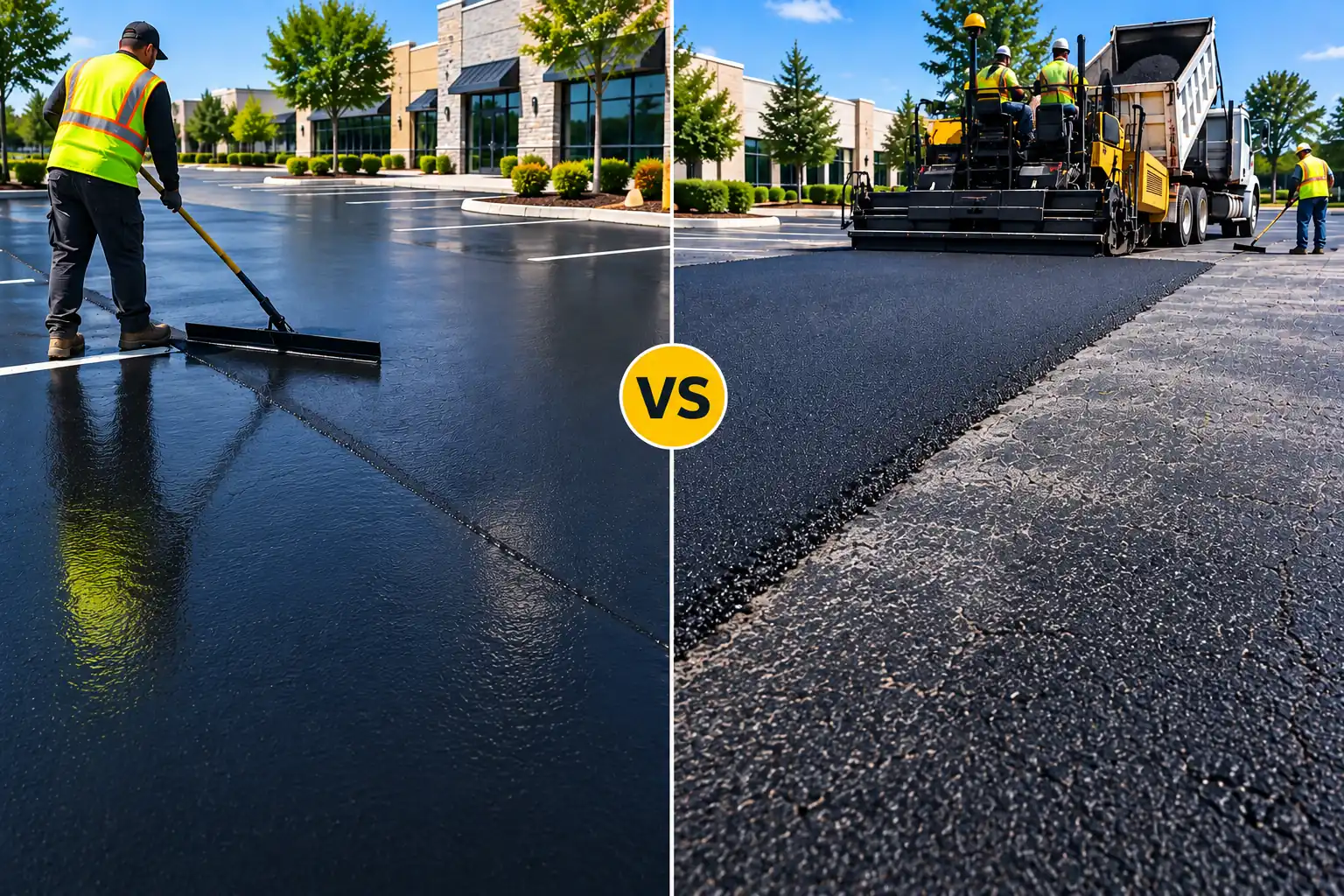 20 Sep 2026 Riverside, CASealcoating vs Resurfacing: Which Does Your Lot Need?
 -
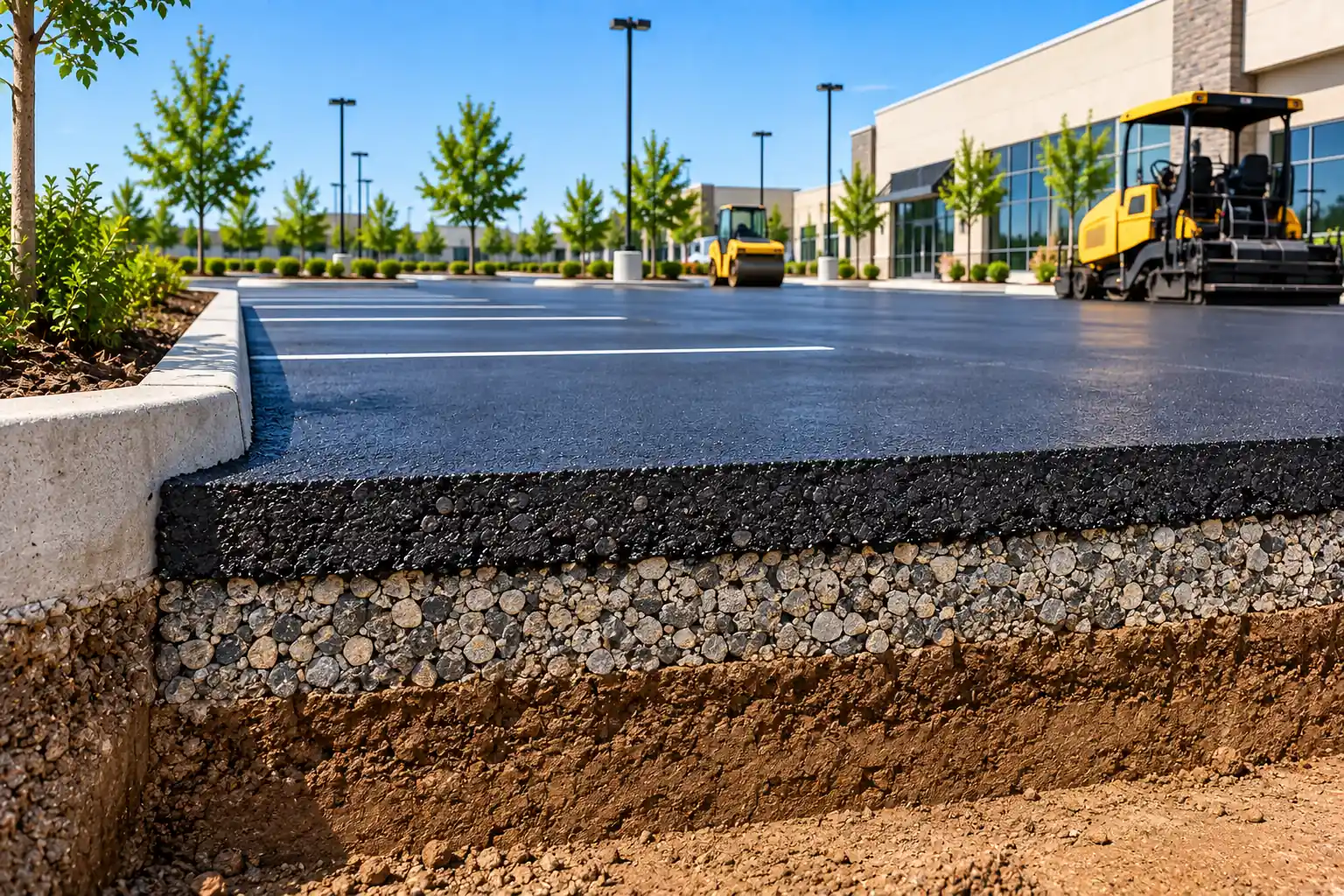 20 Sep 2026 Riverside, CAHow Thick Should a Commercial Parking Lot Be in Riverside?
 -
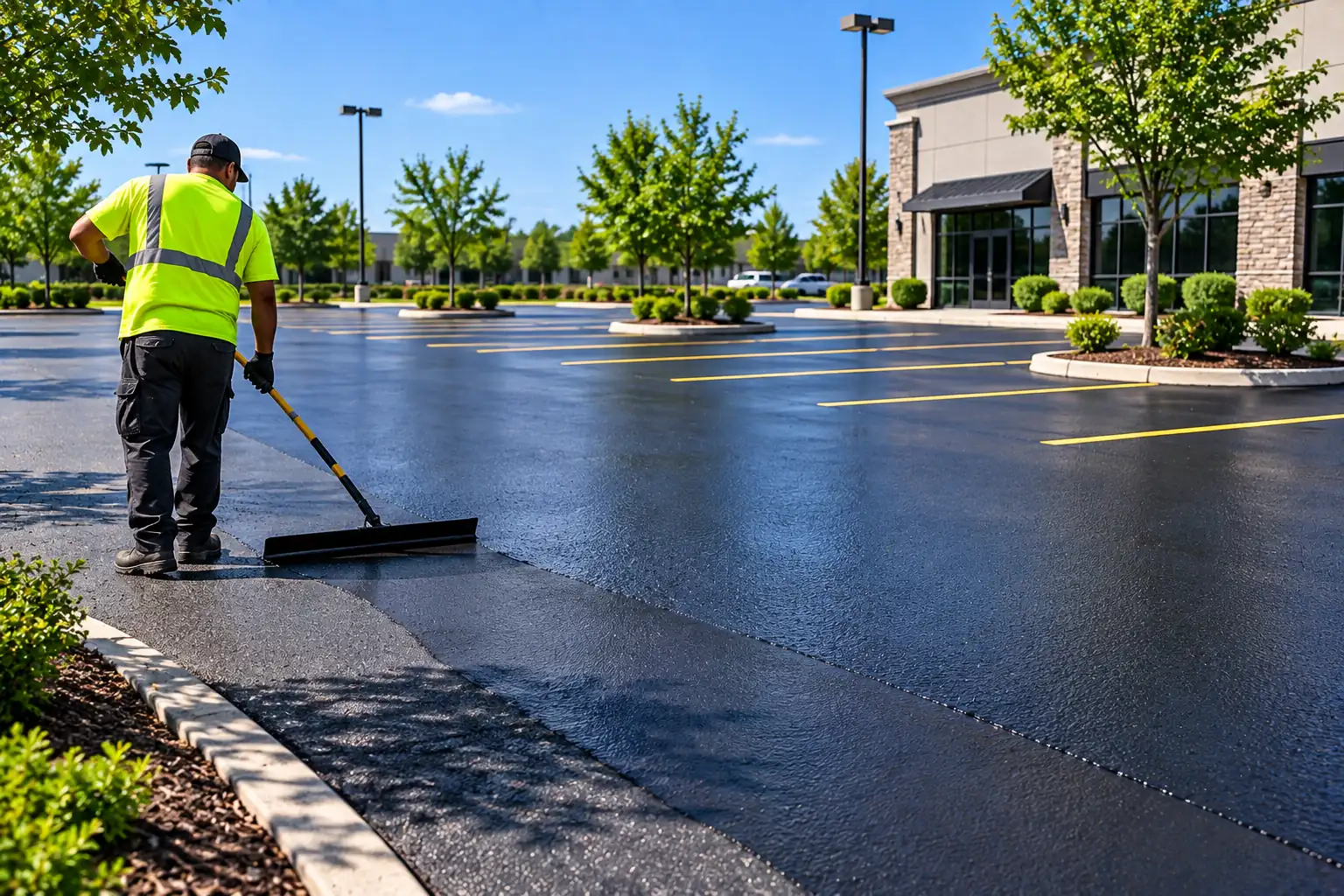 20 Sep 2026 Orange County, CAHow Often Should Commercial Parking Lots Be Sealcoated?
 -
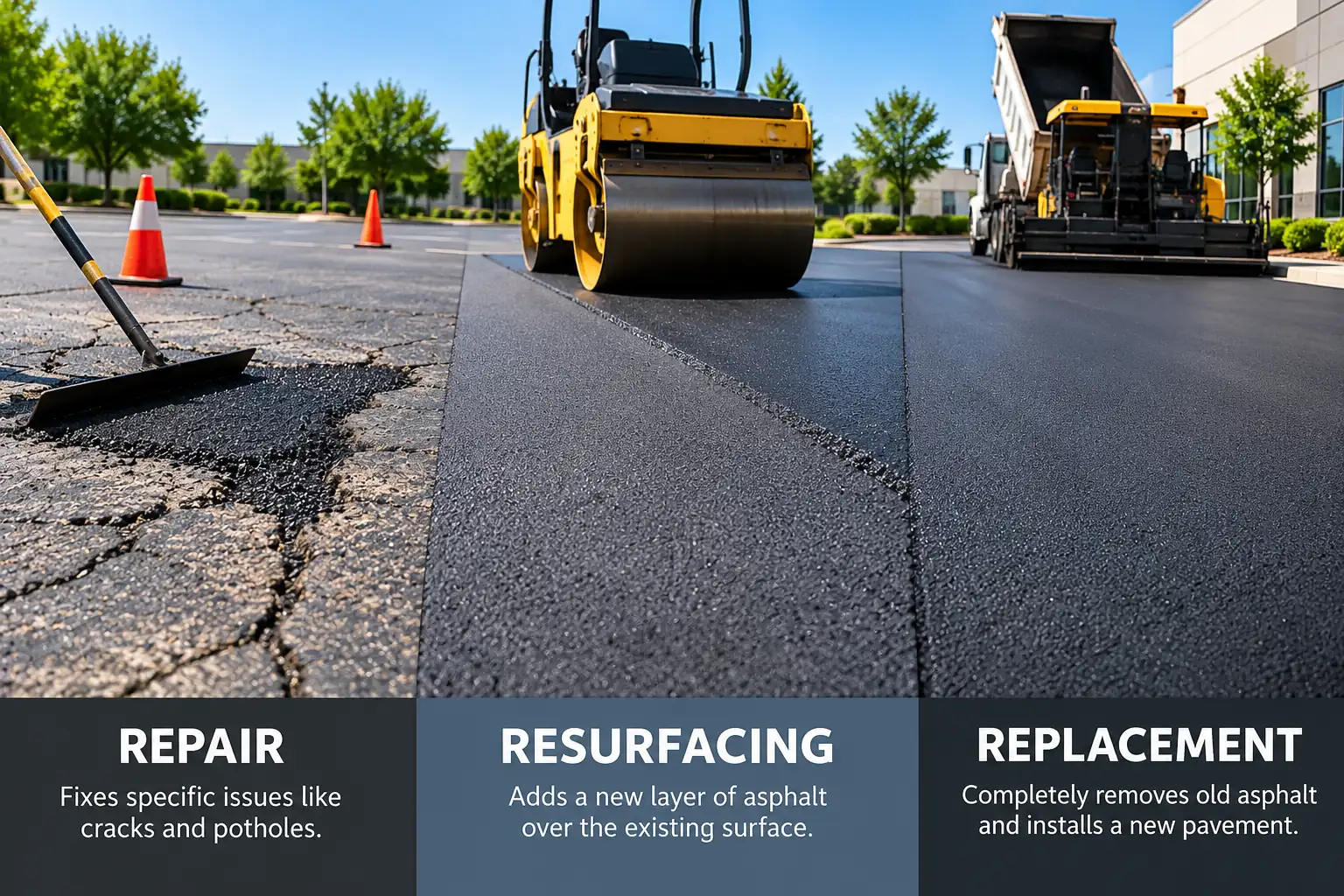 20 Sep 2026 Orange County, CAWhat Is the Difference Between Asphalt Repair, Resurfacing, and Replacement?
 -
 14 Sep 2026 Riverside, CAHow Long Does Asphalt Last in Riverside, CA?