
Road Construction Services in Orange County: Process, Materials, and Standards
What Road Construction Services Include in Orange County
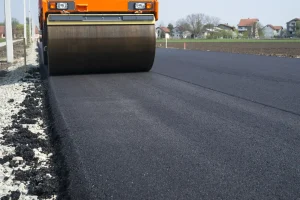
Road construction services in Orange County cover a lot more ground than most people realize. At the core, you’re looking at site preparation, grading, base installation, asphalt or concrete paving, drainage planning, striping, and ongoing maintenance for residential, commercial, and municipal roads. That’s the short version.
The longer version is that a road construction company in Orange County might be building a private road through a gated community one month and bidding on a municipal contract the next. The range of project types is wider than most people expect:
- Private roads serving gated communities and estates
- Commercial developments requiring dedicated access infrastructure
- Residential subdivisions built to municipal acceptance standards
- Industrial access roads engineered for heavy equipment loads
- Municipal contracts covering city streets and public right-of-way improvements
Each project type is its own world, with its own permit requirements, engineering standards, and material decisions.
Planning and Permits for Road Construction Projects
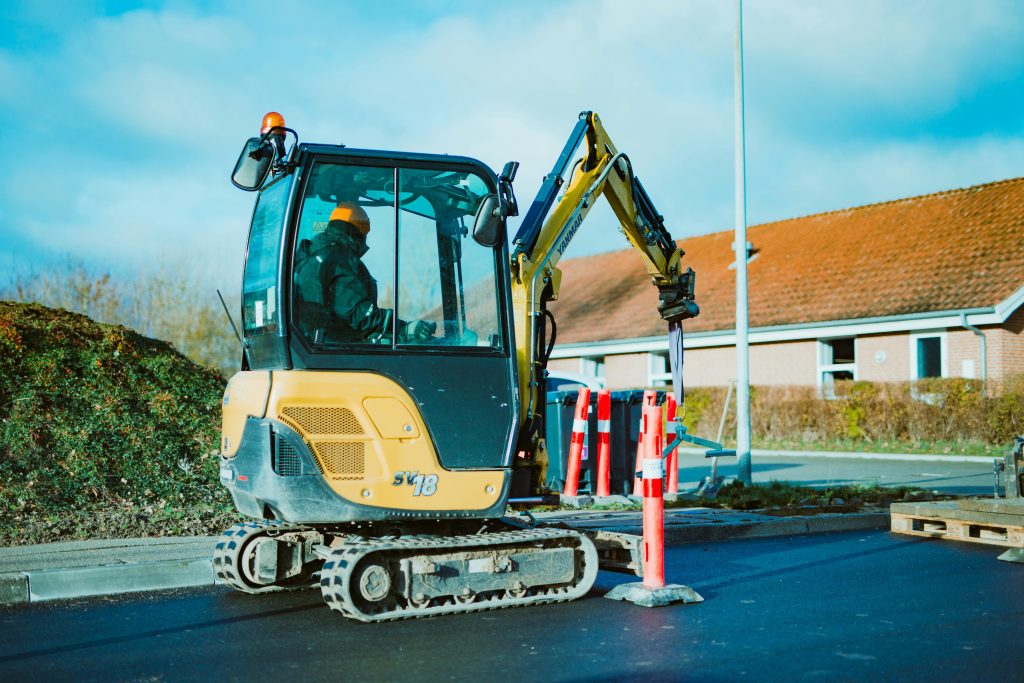
This part of the process doesn’t get talked about much, but it sets the tone for everything that follows. Before a single piece of equipment shows up, road projects in Orange County move through city or county approval processes that vary depending on jurisdiction. Anaheim, Irvine, Santa Ana, Yorba Linda, they each have their own requirements, and knowing how to navigate those offices matters.
Several things have to happen before grading can begin:
- Engineering plans get submitted and approved
- Soil testing establishes bearing capacity and identifies unstable subgrade conditions
- Utility coordination locates and protects underground gas, water, electrical, and telecom infrastructure
- Environmental review is completed where required near drainage areas or sensitive habitat
Contractors who understand Orange County’s regulatory environment keep projects moving. Those who don’t tend to create expensive delays that nobody budgeted for.
Site Preparation and Grading Process
Site prep is unglamorous work. It’s also the work that determines whether a road holds up for twenty years or starts showing problems in five.
It starts with clearing. Vegetation gets removed, topsoil gets stripped, and anything organic that would compress under load gets hauled off. Old pavement or structures come out during demolition. Then excavation begins, cutting and filling to establish the road’s designed elevation and cross section.
Where soft or unstable soils turn up, and in parts of Orange County, they do, stabilization becomes necessary. Sometimes that means lime treatment. Sometimes it means pulling out bad material entirely and replacing it. Geotextile fabric gets used when conditions call for it.
Compaction follows, done in lifts with vibratory rollers, and verified with density testing before moving on. Cross slope gets engineered into the graded surface at this stage. That one to two percent pitch isn’t an afterthought. It’s what moves water off the road surface before it can work its way into the base. Get that wrong during grading and you’ll be dealing with the consequences for the life of the road.
Base Layers and Structural Foundation Standards
The base layer is where road construction either earns its money or cuts corners. Class II aggregate base is California’s standard, and depth requirements vary significantly by use:
- Light residential roads: 4 to 6 inches of aggregate base
- Commercial and mixed use roads: 6 to 8 inches depending on traffic volume
- Heavy truck routes and industrial access roads: 12 inches or more
Every lift gets compacted to at least ninety five percent relative compaction, confirmed by testing. There’s no shortcut here. Under compacted base is the most common reason roads fail ahead of schedule, and it doesn’t announce itself until the damage is already done.
Load bearing design has to account for actual use. A road serving a distribution warehouse isn’t engineered the same way as a neighborhood street. And the subgrade beneath the aggregate base has to meet its own compaction standard, because a well built base sitting on weak material will still fail.
Spending more on base work upfront saves a lot of money down the road. That’s not a figure of speech.
Asphalt vs. Concrete Road Construction in Orange County
This comes up on almost every project, and the honest answer is that it depends.
Asphalt
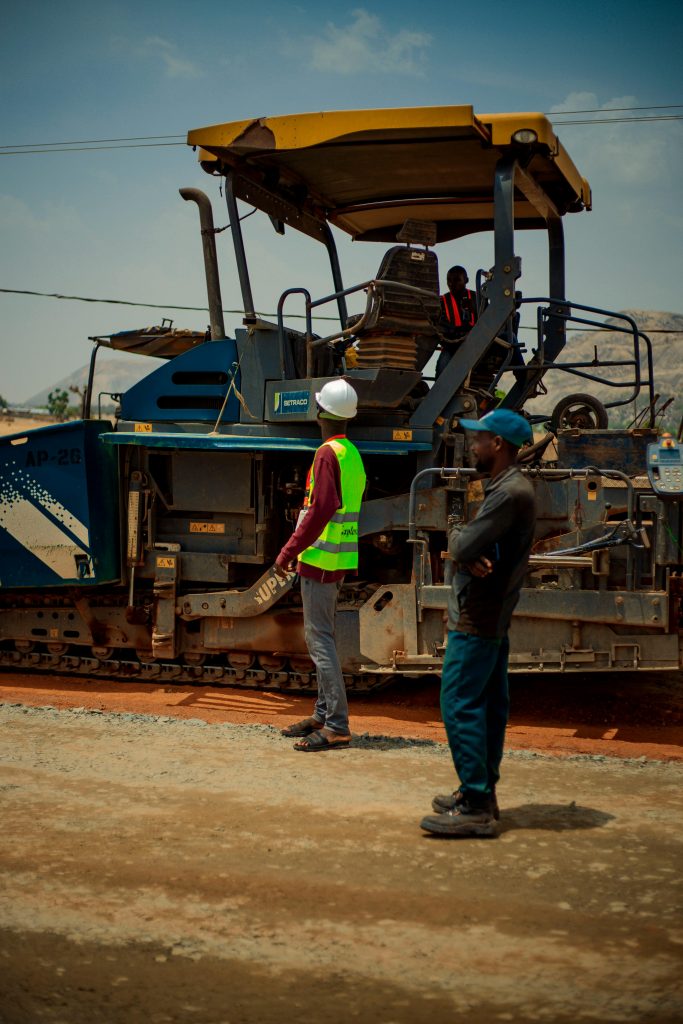
Asphalt paving costs significantly less upfront, typically thirty to forty percent below concrete, though material prices shift. Installation is faster, roads can usually open within a day or two of paving. Repairs are relatively straightforward to patch or resurface without a major production.
Commercial asphalt paving performs well in Orange County’s climate. The summers are hot, UV exposure is real, and oxidation does accelerate over time, which is exactly why sealcoating on a regular schedule isn’t optional, it’s part of the math. Asphalt also handles minor subgrade movement better than concrete, which works in its favor on projects where ground conditions aren’t perfect.
Concrete
Concrete lasts longer without maintenance intervention and handles heavy axle loads without rutting. Over a thirty year window, lifecycle costs can favor concrete. But the upfront number is substantially higher, and repairs when they’re needed are more involved and more expensive.
For most roads in Orange County, private, commercial, and municipal, asphalt wins on cost efficiency and available contractor expertise. Concrete shows up on industrial sites, port access roads, and projects where long term maintenance funding is locked in from the start.
Drainage and Water Management in Road Construction
California takes stormwater management seriously, and road construction projects are expected to address drainage thoroughly, not as a checkbox but as a core design element.
Curbs and gutters direct runoff to planned collection points. Catch basins and storm drains handle design storm volumes without flooding the road surface. Culverts carry drainage under road crossings and have to be sized correctly or they become a washout risk.
Roads in hillside areas of Orange County, Anaheim Hills, Yorba Linda, portions of Mission Viejo, face more complex drainage challenges than flat terrain. Cross slope, crown design, and superelevation on curves all work together to keep water moving at a controlled rate.
Protecting asphalt lifespan starts with keeping water away from the base. Everything in the drainage design points back to that.
Road Striping, Markings, and Finishing Work
Striping turns a finished road into a functional one. Lane markings get applied using thermoplastic or traffic paint depending on the spec, with reflective beads added for nighttime and wet weather visibility.
Standard finishing work on most Orange County road projects covers:
- Lane markings and centerlines
- Stop bars and directional turn arrows
- Speed limit and regulatory markings
- Fire lane striping per Orange County fire code
- ADA compliant crosswalks and curb ramp detectable surfaces
- Parking stall layouts where applicable
ADA compliance and fire lane requirements aren’t optional details on commercial or municipal projects. Those have to be correct before occupancy approvals can be issued. When the striping crew finishes, the road is ready to use.
Maintenance and Long Term Road Performance
A road that gets maintained holds its value. One that doesn’t start deteriorating faster than most people expect.
Routine Maintenance
Sealcoating applied every three to five years protects asphalt from UV oxidation, fuel spills, and water intrusion. It’s inexpensive relative to what it prevents. Crack sealing addresses surface cracking before water finds a path to the base. Once moisture gets into the base layer and traffic keeps loading the surface above it, what started as a surface crack becomes a structural problem.
Resurfacing and Repair
Resurfacing and overlay work can extend road life significantly by adding fresh asphalt over a base that’s still structurally sound. When asphalt milling in Orange County is done right, it removes only the damaged surface layer and preserves a structurally sound base, making it one of the smartest and most cost effective repair options available. Asphalt repair done early, when damage is still localized, costs a fraction of what it costs to fix the same area after the problem spreads.
Building a maintenance plan into the original project is the move that protects the investment long term. Roads don’t take care of themselves.
Choosing the Right Road Construction Company in Orange County
Experience with road construction specifically is what matters here. Not every paving contractor has it. Parking lots and road construction share some equipment and materials, but the engineering requirements, permit processes, and quality standards are different enough that they’re not interchangeable skill sets.
A few things worth evaluating before signing any contract:
- Licensing: California requires a C-12 or A license for road construction work. Any contractor without the right credentials creates legal and financial exposure on a permitted project
- Equipment: Road construction needs motor graders, compactors, and paving machines maintained in house. A contractor who rents everything may not have the operational depth to keep a project on schedule
- Local knowledge: Familiarity with Orange County’s soil conditions, agency relationships, and inspection processes shortens timelines and reduces friction. That same local expertise applies to traffic calming work, proper speed bump installation in Orange County requires knowledge of city-specific requirements, private property regulations, and the right materials for our climate
- References: Ask for them from comparable projects. Verify them
The contractors worth working with bring engineering knowledge, proper licensing, real equipment capacity, and a track record in this county. That combination is what separates a road that holds up from one that starts causing problems before anyone expected.

